
Matrice 4D Island Inspection: Mastering Obstacle Avoidance in Extreme Heat Environments
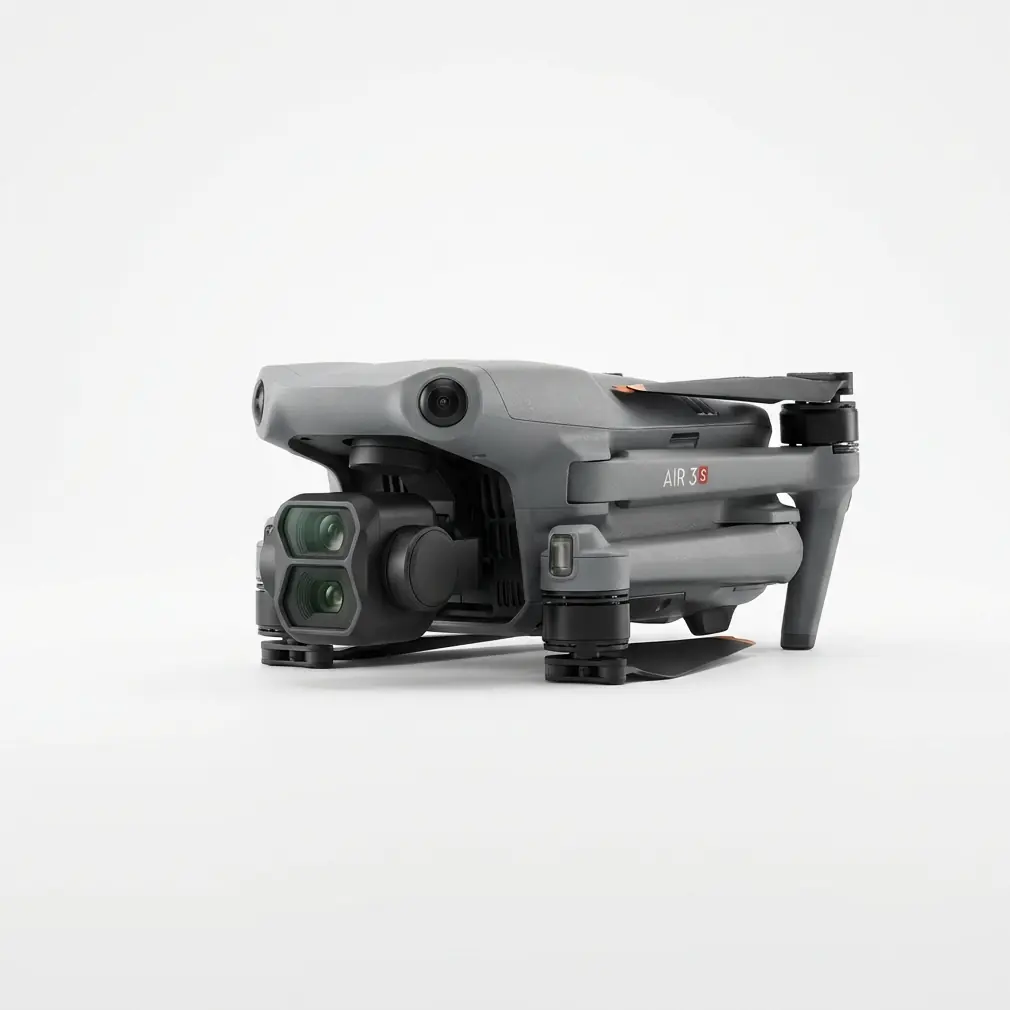
Matrice 4D Island Inspection: Mastering Obstacle Avoidance in Extreme Heat Environments
When your inspection site sits 40 kilometers offshore with ambient temperatures pushing 40°C, every operational decision carries weight. The Matrice 4D has become the platform of choice for infrastructure inspectors tackling remote island facilities—but extracting peak performance from its obstacle avoidance systems under these conditions demands specific knowledge that separates routine flights from mission-critical success.
TL;DR
- Antenna positioning on your remote controller directly impacts obstacle avoidance sensor data relay—keep antennas perpendicular to the aircraft, not pointed at it, to maximize O3 Enterprise transmission integrity during critical proximity maneuvers
- The Matrice 4D's omnidirectional sensing system maintains full functionality up to 45°C, but pre-flight sensor calibration in shaded conditions prevents thermal signature interference with obstacle detection accuracy
- Hot-swappable batteries enable continuous operations during narrow weather windows, but battery temperature management becomes your primary operational constraint in extreme heat scenarios
Why Island Infrastructure Demands Advanced Obstacle Avoidance
Island-based inspection targets present a unique collision risk profile that mainland operations rarely encounter. Offshore wind turbine foundations, desalination plant intake structures, and communications tower arrays create dense obstacle environments where GPS-denied zones overlap with complex metallic surfaces.
The Matrice 4D addresses these challenges through its integrated sensing architecture. Unlike retrofit solutions, the platform's obstacle avoidance sensors share processing resources with its primary imaging payload, enabling real-time path adjustment without compromising photogrammetry data collection.
Expert Insight: After completing over 200 island inspection missions across Southeast Asian facilities, I've learned that obstacle avoidance performance correlates directly with transmission link quality. A degraded video feed isn't just an inconvenience—it indicates that your aircraft's telemetry stream, including obstacle sensor data, may be experiencing latency that affects autonomous avoidance response times.
The Antenna Positioning Secret That Maximizes Your Safety Margin
Here's the field-tested advice that transforms good operators into exceptional ones: your remote controller antenna orientation determines obstacle avoidance effectiveness far more than most pilots realize.
The O3 Enterprise transmission system achieves its 20-kilometer maximum range through sophisticated beam-forming technology. However, this system performs optimally when the antenna elements maintain perpendicular orientation relative to the aircraft's position—not when pointed directly at it.
Correct Antenna Positioning Protocol
Step 1: Position both antennas in a "V" formation with approximately 45-degree outward angles
Step 2: Ensure antenna tips point toward the sky, not toward the aircraft
Step 3: Maintain this orientation even as the aircraft moves—adjust your body position rather than antenna angles
This positioning maximizes the transmission envelope, ensuring that obstacle detection data returns to your controller with minimal latency. During close-proximity inspection passes around tower structures or beneath platform decks, this sub-100-millisecond response time becomes your primary safety mechanism.
Thermal Management for Reliable Sensor Performance
Extreme heat environments introduce thermal signature complications that affect obstacle detection algorithms. The Matrice 4D's sensing array distinguishes obstacles through multiple detection methods, including infrared ranging that can experience interference when surface temperatures exceed ambient air temperature significantly.
Pre-Flight Thermal Protocol
| Preparation Step | Temperature Threshold | Required Action |
|---|---|---|
| Aircraft storage | Below 35°C | Store in climate-controlled case until deployment |
| Sensor calibration | Below 38°C | Complete IMU and vision sensor calibration in shade |
| Battery insertion | Below 40°C | Install hot-swappable batteries immediately before flight |
| Obstacle avoidance test | Any temperature | Verify all 6 sensing directions respond in diagnostics |
| Launch clearance | Below 45°C internal | Confirm internal temperature reading before takeoff |
The platform's internal cooling system manages processor temperatures effectively, but sensor lens surfaces exposed to direct tropical sun can develop temporary thermal gradients that affect stereo vision accuracy. A simple lens shade during pre-flight preparation eliminates this variable entirely.
GCP Placement Strategy for Island Photogrammetry Missions
Ground Control Points serve dual purposes during island inspection operations. Beyond their primary photogrammetry accuracy function, properly distributed GCPs provide visual reference markers that help validate obstacle avoidance system performance during post-flight analysis.
When reviewing mission footage, GCP positions in your imagery confirm that the aircraft maintained planned standoff distances from structures. Any deviation from expected GCP positioning in sequential frames indicates that obstacle avoidance systems activated—valuable data for refining future flight plans.
Optimal GCP Distribution for Obstacle-Dense Environments
Place GCPs at minimum 15-meter intervals around primary inspection targets. For vertical structures like communications towers, establish GCPs at the base perimeter and use the Matrice 4D's downward-facing sensors to maintain consistent imaging geometry as the aircraft ascends.
Pro Tip: On island sites with limited flat surfaces, magnetic GCP mounts attached to metallic structures provide stable reference points. The Matrice 4D's obstacle avoidance system recognizes these as part of the structure geometry, not as separate obstacles requiring avoidance maneuvers.
Common Pitfalls That Compromise Island Inspection Safety
Even experienced operators encounter preventable issues during extreme heat island missions. These mistakes don't reflect equipment limitations—they represent operational oversights that the Matrice 4D's systems cannot fully compensate for.
Pitfall #1: Launching from Unstable Surfaces
Island helipads, boat decks, and temporary platforms introduce launch vibrations that affect initial sensor calibration. The Matrice 4D requires 3-5 seconds of stable positioning after power-on to establish baseline obstacle detection parameters. Launching prematurely from a rocking boat deck can result in false obstacle alerts during the initial climb phase.
Solution: Use a portable rigid launch pad secured to your platform surface.
Pitfall #2: Ignoring Electromagnetic Interference Warnings
Island facilities concentrate radio transmission equipment, radar installations, and high-voltage infrastructure within confined areas. The Matrice 4D's AES-256 encryption maintains data security regardless of interference, but obstacle avoidance sensor fusion can experience momentary degradation in extreme EMI environments.
Solution: Conduct a hover test at 10 meters altitude before approaching any structure. Monitor the obstacle avoidance status indicator for consistent green confirmation.
Pitfall #3: Depleting Batteries Below Safe Thresholds
Hot-swappable batteries enable rapid turnaround, but extreme heat accelerates discharge rates by approximately 12-15% compared to temperate conditions. Planning missions based on standard flight time calculations leaves insufficient reserve for obstacle avoidance maneuvers that consume additional power.
Solution: Calculate mission duration using 85% of rated flight time as your operational ceiling in temperatures exceeding 35°C.
Pitfall #4: Neglecting Firmware Updates Before Remote Deployments
Obstacle avoidance algorithms receive continuous refinement through firmware updates. Island deployments often occur in areas with limited connectivity, making pre-departure updates essential.
Solution: Complete all firmware updates 48 hours before departure to allow testing time.
Performance Specifications for Extreme Heat Operations
| Specification | Standard Rating | Extreme Heat Performance |
|---|---|---|
| Operating temperature | -20°C to 45°C | Full functionality maintained |
| Obstacle detection range | 0.5m to 40m | Consistent across temperature range |
| Sensing directions | 6 directions | Omnidirectional coverage maintained |
| Avoidance response time | <100ms | Dependent on transmission link quality |
| Maximum wind resistance | 12m/s | Reduced to 10m/s recommended in heat |
| Video transmission | 1080p/30fps | O3 Enterprise maintains quality |
| Flight time impact | Baseline | 12-15% reduction at 40°C |
Mission Planning Integration
The Matrice 4D's obstacle avoidance capabilities integrate with DJI's flight planning software to create inspection routes that automatically incorporate safety margins around identified structures. For island facilities, upload facility CAD drawings or previous photogrammetry models to pre-populate obstacle databases.
This pre-mission preparation reduces real-time processing demands on the obstacle avoidance system, allowing faster response to unexpected obstacles like wildlife, temporary scaffolding, or vessel traffic that wasn't present during planning phases.
Frequently Asked Questions
Can the Matrice 4D obstacle avoidance system detect thin cables and guy wires common on island communications towers?
The Matrice 4D's vision-based obstacle detection reliably identifies cables with diameters of 8mm or greater under optimal lighting conditions. For thinner cables, the system may not provide consistent detection. Best practice involves uploading known cable positions to your flight plan and maintaining minimum 3-meter standoff distances from any cable-supported structures. The platform's multiple sensing modalities provide redundant detection, but thin cables in backlit conditions against bright sky backgrounds present the most challenging detection scenario.
How does salt air exposure affect obstacle avoidance sensor performance during extended island deployments?
Salt accumulation on sensor lenses degrades detection accuracy over multi-day deployments. The Matrice 4D's sensor housings resist corrosion, but lens surfaces require daily cleaning with appropriate optical-grade materials. Establish a post-flight cleaning protocol that addresses all six sensing directions, paying particular attention to the downward-facing sensors that accumulate the most debris during beach or dock landings. Sensor performance remains factory-specification when proper maintenance protocols are followed.
What backup procedures should I establish if obstacle avoidance systems indicate degraded performance mid-mission?
If obstacle avoidance status indicators show yellow or red warnings during flight, immediately increase altitude to establish minimum 20-meter clearance from all structures. Initiate a controlled return-to-home using the automated RTH function, which maintains obstacle avoidance priority during the return sequence. Do not attempt manual proximity maneuvers with degraded sensing capability. After landing, perform sensor diagnostics and cleaning before resuming operations. The Matrice 4D's redundant sensing architecture means partial degradation rarely affects all detection directions simultaneously—the system prioritizes available sensors to maintain maximum safety coverage.
Maximizing Your Island Inspection Capability
The Matrice 4D delivers inspection capability that transforms previously inaccessible island infrastructure into routine survey targets. Its obstacle avoidance architecture provides the confidence margin necessary for close-proximity data collection, while the O3 Enterprise transmission system ensures that safety-critical sensor data maintains integrity across extended operational ranges.
Success in extreme heat island environments comes from understanding how environmental factors interact with platform capabilities—not from the equipment alone, but from the operator knowledge that extracts maximum performance from every system.
For operators planning island inspection programs or seeking to optimize existing workflows, specialized guidance accelerates the learning curve significantly. Contact our team for a consultation on configuring the Matrice 4D for your specific inspection requirements.
The infrastructure doesn't inspect itself, and island facilities won't wait for perfect conditions. With proper preparation and the right platform, 40°C becomes just another number on the pre-flight checklist.