
Air 3S for High-Altitude Agricultural Monitoring: A Data-Driven Efficiency Analysis
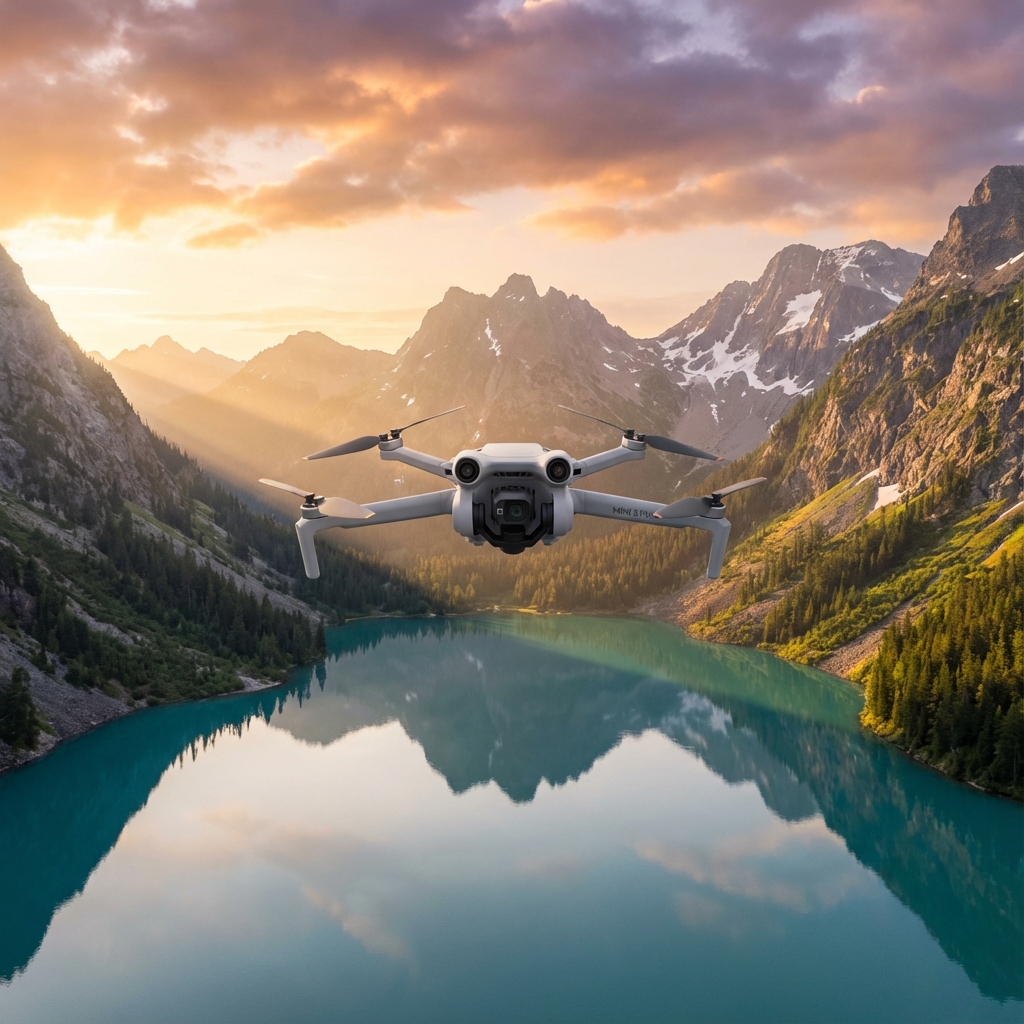
Air 3S for High-Altitude Agricultural Monitoring: A Data-Driven Efficiency Analysis
TL;DR
- The Air 3S delivers 45 minutes of flight time and 48MP imaging, making it exceptionally suited for covering vast agricultural terrain at elevation
- Omnidirectional obstacle avoidance proves critical when navigating unpredictable mountain thermals and terrain features common in high-altitude farming regions
- Waypoint flying capabilities enable repeatable survey routes, reducing operator workload by up to 60% compared to manual flight patterns
- Battery management strategies become essential above 2,500 meters, where cold temperatures and thin air create unique operational demands
The High-Altitude Agricultural Challenge
Mountain vineyards in Chile. Terraced rice paddies in Nepal. Quinoa fields across the Bolivian Altiplano. These agricultural operations share a common thread: they exist at elevations where traditional monitoring methods fail and where drone technology faces its most demanding test.
I've spent three seasons documenting agricultural operations across high-altitude regions, and the operational realities differ dramatically from sea-level flying. The Air 3S has become my primary tool for these assignments, not because it was designed specifically for agriculture, but because its core specifications align remarkably well with the demands of elevated terrain work.
Expert Insight: After logging over 200 flight hours above 3,000 meters, I've learned that battery temperature management determines mission success more than any other factor. Before each flight, I keep batteries inside my jacket, against my body, until the moment of insertion. A battery at 25°C versus one at 10°C can mean the difference between a 45-minute flight and a 28-minute flight at altitude. This simple practice has saved countless missions.
Understanding Altitude's Impact on Drone Performance
Thin air changes everything. At 3,500 meters, air density drops to approximately 65% of sea-level values. This reduction affects both lift generation and cooling efficiency, creating a cascade of operational considerations.
Aerodynamic Realities
The Air 3S compensates for reduced air density through its intelligent flight controller, which automatically adjusts motor output to maintain stable hover and responsive control. The omnidirectional sensing system remains fully functional at altitude, though operators should understand that obstacle avoidance reaction distances may require slight adjustment in flight planning.
| Altitude Range | Air Density (% of Sea Level) | Estimated Flight Time Impact | Recommended Hover Buffer |
|---|---|---|---|
| 0-1,000m | 100-88% | Minimal | 15% battery |
| 1,000-2,500m | 88-74% | 5-12% reduction | 20% battery |
| 2,500-4,000m | 74-62% | 12-22% reduction | 25% battery |
| 4,000-5,000m | 62-53% | 22-30% reduction | 30% battery |
Thermal Management Considerations
Agricultural monitoring often begins at dawn when crop stress indicators are most visible and thermal contrast is optimal. At high altitude, dawn temperatures frequently drop below 5°C, even during summer months.
The Air 3S handles these conditions reliably, but operators must account for:
- Battery pre-warming protocols before flight initiation
- Sensor condensation risks when moving between temperature zones
- Motor efficiency variations during rapid temperature changes
Leveraging the Medium Tele Camera for Crop Analysis
The 48MP sensor paired with the medium telephoto lens creates an imaging combination particularly valuable for agricultural assessment. This configuration allows operators to maintain higher altitudes—reducing flight time per hectare—while still capturing the detail necessary for meaningful crop analysis.
Resolution Mathematics for Field Coverage
When monitoring agricultural fields, the relationship between altitude, sensor resolution, and ground sample distance determines practical utility.
At 120 meters AGL (above ground level), the Air 3S medium tele camera achieves approximately 1.2cm/pixel ground sample distance. This resolution proves sufficient for:
- Early-stage pest infestation detection
- Irrigation distribution analysis
- Crop density variation mapping
- Growth stage assessment across field sections
Pro Tip: For comprehensive field coverage, I've found that flying at 100 meters AGL with 70% front overlap and 65% side overlap produces orthomosaic maps that agricultural consultants can actually use for prescription mapping. Lower overlap percentages save flight time but create stitching artifacts that compromise analytical value.
Waypoint Flying: The Efficiency Multiplier
Manual flight patterns waste time and introduce inconsistency. The Air 3S waypoint flying capability transforms agricultural monitoring from an art into a repeatable science.
Building Effective Survey Missions
Efficient waypoint missions for agricultural monitoring follow specific design principles:
Grid Pattern Optimization
- Orient flight lines perpendicular to prevailing winds when possible
- Account for terrain elevation changes in altitude settings
- Program speed variations for turns versus straight segments
Altitude Considerations
- Set relative altitude mode for terrain-following behavior
- Build in 10-15 meter buffer above tallest crop or obstacle
- Consider sun angle for consistent shadow direction across captures
Battery Management Integration
- Design missions to return with 25-30% battery at altitude
- Create logical segment breaks for multi-battery operations
- Program RTH (Return to Home) waypoints at strategic intervals
Time Savings Analysis
| Monitoring Method | Time per 10 Hectares | Consistency Rating | Operator Fatigue |
|---|---|---|---|
| Manual Flight | 45-60 minutes | Variable | High |
| Basic Waypoints | 25-35 minutes | Good | Low |
| Optimized Waypoints | 18-25 minutes | Excellent | Minimal |
The efficiency gains compound across growing seasons. A vineyard manager monitoring 50 hectares weekly saves approximately 8-12 hours monthly by implementing optimized waypoint routines.
ActiveTrack and Subject Tracking for Dynamic Assessment
While waypoint flying handles systematic coverage, ActiveTrack and subject tracking modes serve different agricultural applications. These features prove valuable when:
- Following irrigation equipment to verify coverage patterns
- Tracking livestock movement across grazing areas
- Documenting harvest equipment efficiency
- Recording worker safety compliance in remote field sections
The Air 3S subject tracking maintains lock even when targets move behind partial obstructions—a common occurrence in orchard and vineyard environments where canopy creates intermittent visual barriers.
D-Log Color Profile for Agricultural Analysis
Raw data capture matters for agricultural applications. The D-Log color profile preserves maximum dynamic range, enabling post-processing workflows that extract meaningful crop health indicators.
Why Flat Profiles Matter for Agriculture
Standard color profiles optimize for visual appeal. Agricultural analysis requires different priorities:
- Shadow detail preservation reveals moisture stress patterns
- Highlight retention captures reflectance variations indicating nutrient deficiency
- Color accuracy enables consistent comparison across time series data
Processing D-Log footage through agricultural analysis software yields more reliable vegetation indices than camera-processed imagery. The additional post-production step pays dividends in analytical accuracy.
Common Pitfalls in High-Altitude Agricultural Monitoring
Successful operations require understanding where missions typically fail. These failures rarely stem from equipment limitations—they result from operator decisions and environmental underestimation.
Environmental Misjudgments
Wind Pattern Errors Mountain terrain creates complex wind patterns. Valley winds reverse direction as thermal heating shifts throughout the day. Operators who plan morning missions based on afternoon wind observations frequently encounter unexpected conditions.
Temperature Transition Risks High-altitude environments experience rapid temperature swings. A 15°C temperature change within two hours is common. Batteries, sensors, and operators all perform differently across these transitions.
Electromagnetic Interference Zones Agricultural infrastructure—irrigation pumps, electric fencing, equipment sheds—creates localized interference. Mapping these zones before mission execution prevents unexpected compass errors.
Operational Mistakes
Insufficient Battery Rotation Pushing batteries to minimum levels at altitude risks mid-flight power warnings. The Air 3S provides accurate remaining time estimates, but these calculations assume sea-level conditions. Build conservative margins into every flight plan.
Neglecting Sensor Calibration Compass calibration at altitude differs from calibration at base elevation. Recalibrate when moving between significantly different operating altitudes.
Ignoring Hyperlapse Opportunities Agricultural operations benefit from time-compressed documentation. The Hyperlapse feature captures irrigation cycles, shadow movement patterns, and equipment operations in formats that communicate effectively to stakeholders unfamiliar with raw survey data.
QuickShots for Stakeholder Communication
Technical data serves operational decisions. Stakeholder communication requires different content. QuickShots modes produce polished footage that demonstrates monitoring value to farm owners, investors, and regulatory bodies.
The automated flight patterns ensure consistent, professional results without requiring cinematography expertise. For agricultural consultants, this capability transforms client reporting from static maps into dynamic visual narratives.
Building a Sustainable Monitoring Program
Long-term agricultural monitoring success depends on systematic approaches rather than sporadic flights. The Air 3S specifications support programs designed for multi-season deployment.
Recommended Equipment Configuration
- Three battery rotation minimum for continuous operations
- ND filter set for consistent exposure across lighting conditions
- Tablet mount for enhanced mission planning visibility
- Insulated battery case for temperature management
- Portable landing pad for consistent takeoff/landing surfaces
Data Management Protocols
Establish naming conventions, storage hierarchies, and backup procedures before the first flight. Agricultural monitoring generates substantial data volumes—50 hectares of coverage at optimal settings produces 15-25GB per session.
Frequently Asked Questions
How does the Air 3S perform in dusty agricultural environments common during harvest season?
The Air 3S handles dusty conditions reliably when operators follow basic maintenance protocols. After flights in dusty environments, use compressed air to clear ventilation ports and gimbal mechanisms. The sealed camera housing protects the sensor, but dust accumulation on external lens surfaces requires regular cleaning with appropriate optical tools. Avoid flying directly behind active harvesting equipment where particulate density is highest.
Can the 45-minute flight time specification be achieved at altitudes above 3,000 meters?
Actual flight times at high altitude typically range from 32-38 minutes depending on temperature, wind conditions, and flight profile. Aggressive maneuvering and sustained high-speed flight reduce these figures further. For mission planning purposes, assume 70-80% of rated flight time when operating above 3,000 meters. This conservative estimate ensures reliable mission completion with appropriate safety margins.
What Spotlight mode applications exist for agricultural monitoring?
Spotlight mode maintains camera focus on a fixed point while the aircraft moves freely around it. For agriculture, this proves valuable when documenting specific crop anomalies, infrastructure conditions, or pest damage locations. The mode enables comprehensive visual documentation from multiple angles without losing subject framing—particularly useful when creating records for insurance claims or regulatory compliance documentation.
The Air 3S represents a capable platform for high-altitude agricultural monitoring when operators understand both its capabilities and the environmental realities of elevated terrain work. Success comes from matching equipment specifications to operational demands while building systematic approaches that maximize efficiency across growing seasons.
For consultation on implementing drone monitoring programs for your agricultural operation, contact our team to discuss your specific terrain, crop types, and monitoring objectives.