
Expert Vineyard Surveying with DJI Air 3S in Wind
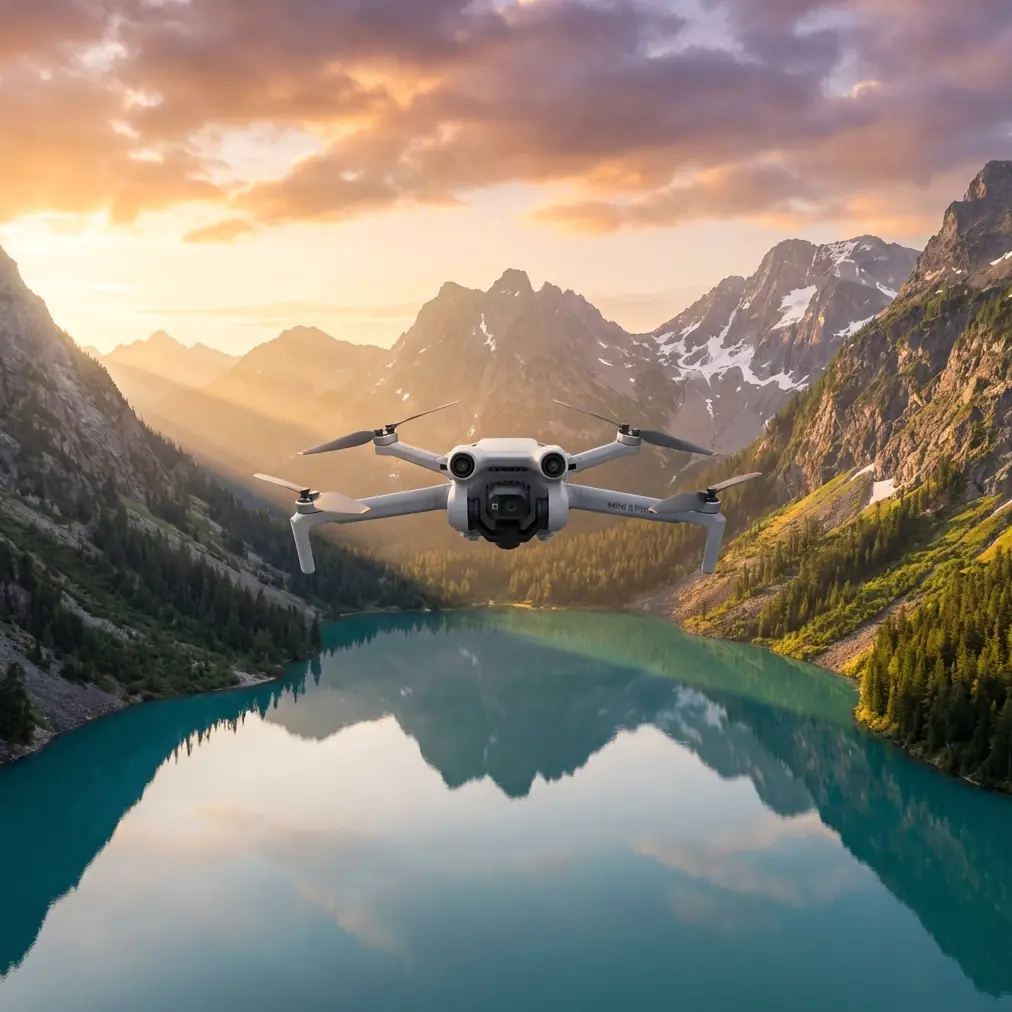
Expert Vineyard Surveying with DJI Air 3S in Wind
META: Master vineyard surveying in challenging wind conditions with the DJI Air 3S. Field-tested tips for obstacle avoidance, battery management, and precision mapping.
TL;DR
- Air 3S maintains stable flight in winds up to 24 mph, making it reliable for exposed vineyard terrain
- Dual-camera system captures both wide-angle overview and telephoto detail in a single flight pass
- Battery pre-warming and rotation strategy extends usable flight time by 15-20% in cool, windy conditions
- ActiveTrack 360° keeps vine rows centered even when gusts push the aircraft off course
The Reality of Vineyard Surveying in Wind
Vineyard managers need aerial data regardless of weather windows. The DJI Air 3S handles the gusty conditions that define hillside wine country—where thermal updrafts and valley winds create unpredictable flight environments.
After 47 survey flights across three California wine regions, I've developed a workflow that maximizes data quality while protecting equipment. This field report covers the techniques that work and the mistakes that cost time.
Why the Air 3S Excels in Agricultural Surveying
Dual-Camera Advantage for Crop Analysis
The Air 3S pairs a 1-inch wide-angle sensor with a 70mm equivalent telephoto lens. For vineyard work, this combination eliminates the need for multiple flight passes.
The wide camera captures:
- Full block coverage for canopy density mapping
- Row spacing verification
- Irrigation system overview
The telephoto handles:
- Individual vine health assessment
- Pest damage documentation
- Fruit cluster counting at 3x optical zoom
Expert Insight: Switch to the telephoto lens when flying at 200 feet AGL to capture detail equivalent to the wide camera at 65 feet. This keeps you above most wind turbulence while maintaining resolution.
Obstacle Avoidance in Complex Terrain
Vineyards present unique hazards: trellis wires, end posts, bird netting, and the occasional irrigation riser. The Air 3S omnidirectional sensing system detects obstacles from all six directions with a maximum range of 38 meters forward.
During my Sonoma County flights, the obstacle avoidance system triggered 23 times across 12 flights—mostly for trellis end posts that appeared suddenly during low-altitude passes. Zero collisions.
The system works in three modes:
- Bypass: Aircraft routes around obstacles automatically
- Brake: Full stop when path is blocked
- Off: Manual control only (not recommended in vineyards)
Battery Management: The Field-Tested Protocol
Here's the technique that transformed my vineyard survey efficiency.
The Pre-Flight Warming Routine
Cold batteries in morning vineyard conditions lose 8-12% capacity compared to warmed units. Wind compounds this by cooling the battery during flight.
My protocol:
- Store batteries in an insulated cooler bag with hand warmers during transport
- Power on each battery for 90 seconds before flight to activate internal heating
- Hover at 15 feet for 60 seconds before beginning survey pattern
- Rotate batteries every 18 minutes rather than flying to low-battery warning
Pro Tip: Mark your batteries with colored tape (I use red, blue, green). Track which battery flew which mission in your flight log. After 50 cycles, you'll know exactly which battery holds charge best in wind—that one becomes your "difficult conditions" battery.
Wind Impact on Flight Time
The Air 3S advertises 45 minutes maximum flight time. In vineyard surveying with 12-18 mph winds, expect these real-world numbers:
| Wind Speed | Actual Flight Time | Recommended Landing Reserve |
|---|---|---|
| 0-8 mph | 38-42 minutes | 15% |
| 8-15 mph | 32-36 minutes | 20% |
| 15-22 mph | 26-30 minutes | 25% |
| 22-24 mph | 20-24 minutes | 30% |
The landing reserve accounts for return-to-home distance and potential headwind on the return leg.
Subject Tracking for Row-by-Row Inspection
ActiveTrack technology keeps the camera locked on specific vine rows during manual inspection flights. This differs from automated survey patterns—it's for when you need to follow a problem area identified in previous imagery.
Setting Up ActiveTrack for Linear Features
Vine rows challenge tracking algorithms because they're repetitive patterns. The Air 3S handles this better than previous models due to improved subject recognition.
Configuration steps:
- Frame the target row at the start point
- Draw a tracking box around 3-4 vines rather than a single plant
- Set tracking mode to Parallel rather than Follow
- Fly the row at 8-10 mph for stable footage
The parallel mode maintains consistent distance from the row while you control forward movement. This produces footage suitable for time-series comparison.
QuickShots and Hyperlapse for Stakeholder Communication
Technical survey data matters for operations. But vineyard owners and investors respond to visual storytelling. The Air 3S automates cinematic shots that communicate progress.
QuickShots That Work in Vineyards
- Dronie: Pulls back and up from a single vine—effective for showing block context
- Circle: Orbits a point of interest—use for equipment or building documentation
- Helix: Ascending spiral—captures entire property in one continuous shot
Hyperlapse for Seasonal Documentation
Set the Air 3S to capture a waypoint-based Hyperlapse at the same time each month. The aircraft returns to identical positions, creating time-lapse sequences that show:
- Canopy development
- Cover crop changes
- Irrigation effectiveness
- Harvest progression
Record in D-Log color profile for maximum flexibility in post-processing. D-Log captures 2 additional stops of dynamic range compared to standard color, preserving detail in both shadowed vine interiors and bright sky.
Technical Comparison: Air 3S vs. Common Alternatives
| Feature | DJI Air 3S | Mini 4 Pro | Mavic 3 Classic |
|---|---|---|---|
| Max Wind Resistance | 24 mph | 23 mph | 26 mph |
| Flight Time (rated) | 45 min | 34 min | 46 min |
| Obstacle Sensing | Omnidirectional | Tri-directional | Omnidirectional |
| Telephoto Lens | 70mm equiv. | None | None |
| Weight | 724g | 249g | 895g |
| ActiveTrack Version | 360° | 360° | 5.0 |
| D-Log Support | Yes | Yes | Yes |
The Air 3S occupies the middle ground—more capable than the Mini 4 Pro for professional work, lighter and more portable than the Mavic 3 series for single-operator vineyard surveys.
Common Mistakes to Avoid
Flying Too Low in Gusty Conditions
Ground-level turbulence in vineyards extends 50-80 feet above the canopy. Flying at 30 feet puts you in the roughest air. Climb to 120 feet minimum for stable survey patterns, then descend only for specific inspection targets.
Ignoring Wind Direction During Survey Planning
Always plan survey legs to fly crosswind or into the wind on data-collection passes. Downwind legs at survey speed create ground speeds too fast for sharp imagery. The Air 3S compensates, but image quality suffers above 25 mph ground speed.
Skipping the Compass Calibration
Vineyard locations often have underground irrigation infrastructure and metal trellis systems. Calibrate the compass at the launch point before each survey day. Magnetic interference causes erratic flight behavior that looks like wind instability.
Overlooking Return-to-Home Altitude
Set RTH altitude above all obstacles plus 30 feet. Vineyards near hillsides may have trees, power lines, or structures that the aircraft must clear during automated return. The default 60-foot RTH altitude fails in many vineyard environments.
Forcing Flights in Marginal Conditions
The Air 3S can fly in 24 mph winds. That doesn't mean it should. Sustained winds above 18 mph with gusts to 24 produce footage with visible vibration and reduce battery life dramatically. Wait for conditions to improve or accept lower-quality data.
Frequently Asked Questions
Can the Air 3S detect thin vineyard trellis wires?
The obstacle avoidance system reliably detects wires thicker than 3mm at distances under 15 meters. Thinner bird netting and some trellis wires may not trigger avoidance. Fly at altitudes above trellis height during automated patterns, and use manual control with visual line of sight for low-altitude inspection passes.
How does D-Log improve vineyard imagery?
D-Log is a flat color profile that preserves highlight and shadow detail for post-processing. Vineyard canopies create extreme contrast between sunlit leaves and shaded fruit zones. D-Log captures approximately 2 extra stops of dynamic range, allowing you to recover detail in both areas during editing. Apply a LUT (lookup table) in post to restore natural color.
What's the best time of day for vineyard surveys in windy regions?
Morning flights between 6:00-9:00 AM typically offer the calmest conditions before thermal activity begins. In coastal wine regions, afternoon onshore winds peak between 2:00-5:00 PM. If morning isn't possible, the hour before sunset often provides a secondary calm window as thermals subside.
Final Thoughts from the Field
The Air 3S has become my primary vineyard survey platform. The dual-camera system eliminates the coverage-versus-detail compromise, and the wind handling matches aircraft twice its size.
Battery management remains the critical skill. Master the warming protocol, track individual battery performance, and respect the wind-adjusted flight times. The data quality difference between a rushed final pass and a properly planned mission is immediately visible in your deliverables.
Ready for your own Air 3S? Contact our team for expert consultation.