
Air 3S Scouting Tips for Coastal Wildlife Photography
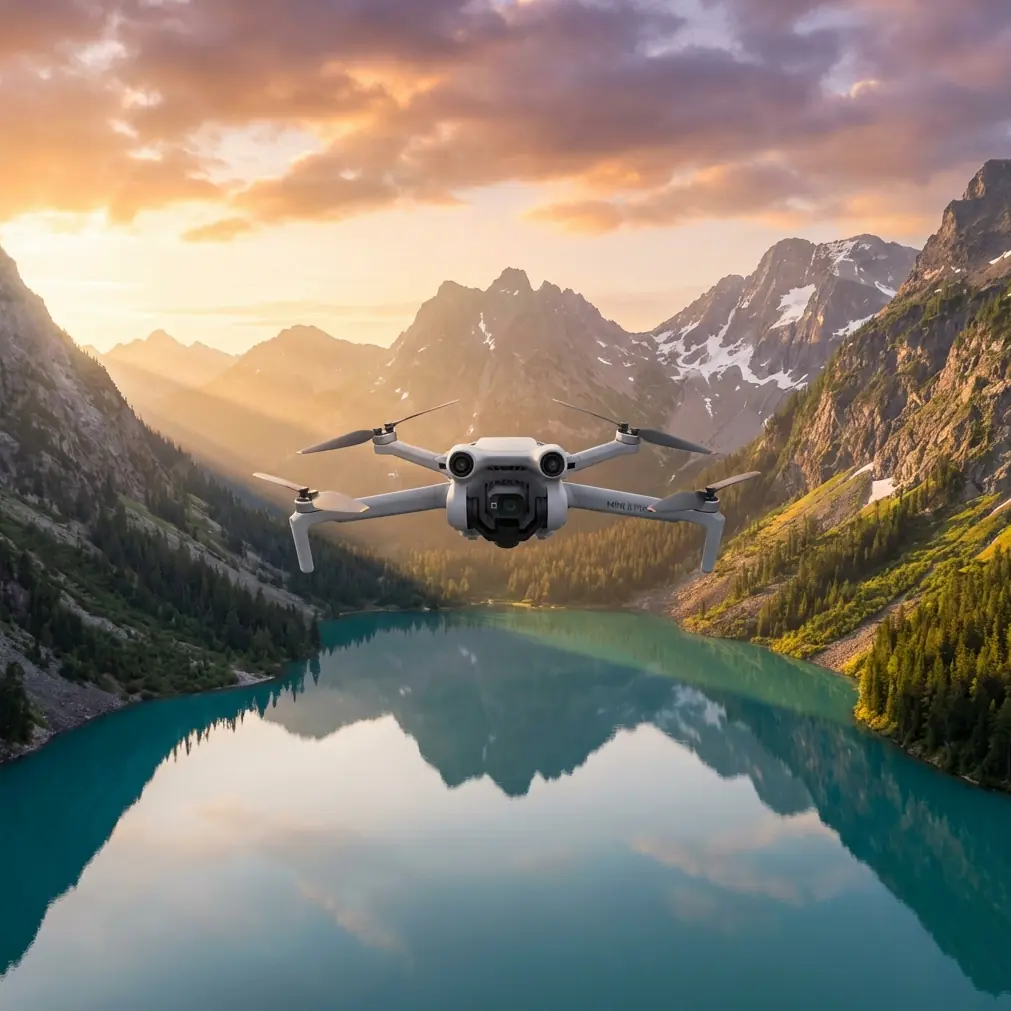
Air 3S Scouting Tips for Coastal Wildlife Photography
META: Master coastal wildlife scouting with the Air 3S drone. Learn expert antenna positioning, tracking techniques, and camera settings for stunning results.
TL;DR
- Antenna positioning at 45-degree angles maximizes signal strength across coastal terrain where salt air and humidity challenge connectivity
- ActiveTrack 360 locks onto marine mammals and shorebirds without manual stick input, freeing you to compose shots
- D-Log color profile preserves 13.5 stops of dynamic range essential for high-contrast beach environments
- Strategic flight planning during golden hour windows yields professional-grade footage while minimizing wildlife disturbance
Coastal wildlife photography presents unique challenges that ground-based cameras simply cannot overcome. The Air 3S transforms how photographers scout shorelines, tide pools, and nesting areas—delivering perspectives that reveal animal behavior patterns invisible from beach level.
This tutorial breaks down the exact techniques I use to capture publication-worthy coastal wildlife footage. You'll learn antenna optimization for maximum range, subject tracking configurations, and camera settings that handle the brutal contrast between bright sand and dark water.
Understanding Coastal Scouting Challenges
Coastal environments punish drone equipment and operators alike. Salt spray corrodes electronics. Reflective water surfaces confuse sensors. Unpredictable wind gusts demand constant attention.
The Air 3S addresses these challenges through its omnidirectional obstacle avoidance system, which uses six vision sensors to detect hazards from every direction. This becomes critical when tracking seabirds that suddenly change direction or when unexpected gusts push your aircraft toward cliff faces.
Environmental Factors Affecting Flight
Before launching, assess these coastal-specific conditions:
- Wind speed and direction relative to shoreline orientation
- Tide timing and how it affects wildlife congregation points
- Sun angle for optimal lighting and reduced glare
- Humidity levels that impact battery performance
- Salt content in air that may affect sensor clarity
The Air 3S maintains stable flight in winds up to 12 m/s, but coastal gusts often exceed steady-state measurements. I recommend limiting operations to days with sustained winds below 8 m/s for wildlife work requiring precise positioning.
Antenna Positioning for Maximum Coastal Range
Here's where most coastal photographers lose signal unnecessarily. The Air 3S controller uses OcuSync 4.0 transmission technology capable of 20 km range in ideal conditions—but coastal environments are far from ideal.
The 45-Degree Rule
Position your controller antennas at 45-degree angles pointing toward your aircraft. This orientation creates the widest signal coverage pattern.
Pro Tip: Face the flat sides of the antennas toward your drone, not the tips. The signal radiates perpendicular to the antenna surface, not from the ends. This single adjustment can recover 30-40% of lost signal strength in challenging environments.
Coastal-Specific Interference Sources
Salt water acts as a signal reflector, creating multipath interference that confuses the receiver. Rocky outcroppings and cliff faces compound this problem.
Combat interference with these techniques:
- Elevate your position above immediate obstructions when possible
- Avoid standing directly adjacent to large metal objects like vehicles or beach structures
- Maintain line of sight even when the aircraft operates at distance
- Monitor signal strength indicators and retreat before reaching critical thresholds
I've found that positioning myself 10-15 meters inland from the waterline dramatically improves signal consistency compared to standing at the water's edge.
Configuring ActiveTrack for Wildlife
The Air 3S ActiveTrack system revolutionizes wildlife scouting by maintaining focus on moving subjects without constant manual input. However, default settings rarely optimize for animal behavior patterns.
ActiveTrack Mode Selection
| Mode | Best For | Coastal Application |
|---|---|---|
| Trace | Following subjects | Dolphins, sea lions moving along shore |
| Parallel | Side-angle tracking | Shorebird flocks in flight |
| Spotlight | Stationary framing | Nesting seabirds, resting seals |
Subject Recognition Optimization
The Air 3S recognizes people, vehicles, and animals automatically. For wildlife work, enable animal recognition in the tracking settings menu.
Adjust these parameters for coastal species:
- Recognition sensitivity: Set to High for smaller shorebirds
- Tracking speed: Reduce to Medium for erratic bird movements
- Obstacle avoidance priority: Keep at Maximum near cliff faces
- Return behavior: Configure Hover rather than Return to Home if subject is lost
Expert Insight: Marine mammals like seals and sea lions track more reliably than birds due to their larger body mass and slower movement patterns. When scouting mixed environments, prioritize mammal tracking shots first while conditions remain optimal, then attempt more challenging bird sequences.
Camera Settings for Coastal Conditions
The Air 3S 1-inch CMOS sensor captures exceptional detail, but coastal lighting demands specific configuration to avoid blown highlights and crushed shadows.
D-Log Configuration
D-Log color profile preserves maximum dynamic range for post-processing flexibility. This becomes essential when shooting scenes containing:
- Bright white sand or foam
- Dark rock formations
- Reflective water surfaces
- Animals with varied coloration
Enable D-Log through Camera Settings > Color > D-Log. Set your exposure compensation to -0.7 to -1.0 stops to protect highlights—you can always recover shadows in editing.
Hyperlapse for Environmental Context
Hyperlapse mode creates stunning time-compressed sequences showing tidal changes, wildlife congregation patterns, and light transitions across coastal landscapes.
For wildlife scouting applications:
- Course Lock hyperlapse works best for shoreline surveys
- Set intervals between 2-4 seconds for smooth motion
- Plan routes that avoid direct sun angles in frame
- Duration of 15-20 minutes captures meaningful environmental changes
QuickShots for Rapid Documentation
When you discover promising wildlife locations, QuickShots provides instant cinematic documentation without complex flight planning.
Most effective coastal QuickShots:
- Dronie: Reveals habitat context around subject
- Circle: Documents 360-degree environment assessment
- Helix: Combines elevation gain with orbital movement
Flight Planning Strategy
Successful coastal wildlife scouting requires systematic coverage rather than random exploration. The Air 3S intelligent flight modes support methodical survey approaches.
Grid Pattern Surveys
Cover large beach sections using overlapping grid patterns:
- Set altitude at 30-50 meters for broad coverage
- Overlap flight lines by 20-30% to avoid gaps
- Fly perpendicular to shoreline for consistent lighting
- Mark GPS waypoints at promising locations for return visits
Altitude Considerations by Species
Different wildlife tolerates varying approach distances:
| Species Type | Minimum Altitude | Approach Angle |
|---|---|---|
| Shorebirds (feeding) | 40+ meters | Shallow, from inland |
| Seabirds (nesting) | 60+ meters | Avoid direct overhead |
| Marine mammals (hauled out) | 30+ meters | Parallel to shore |
| Marine mammals (swimming) | 20+ meters | Following from behind |
Respecting these distances ensures ethical documentation while capturing usable footage.
Common Mistakes to Avoid
Ignoring wind direction during return flights. Coastal winds often shift. A tailwind outbound becomes a headwind returning, potentially stranding your aircraft with depleted batteries. Always reserve 40% battery for return trips in coastal conditions.
Shooting during midday hours. Harsh overhead sun creates unflattering shadows and extreme contrast that even D-Log cannot fully address. Schedule flights within 2 hours of sunrise or sunset for professional results.
Neglecting sensor cleaning. Salt spray accumulates on vision sensors even during flights that seem dry. Wipe all sensors with microfiber cloths after every coastal session to maintain obstacle avoidance reliability.
Flying too close too quickly. Wildlife habituates to drone presence over time. Initial scouting flights should maintain maximum distance, gradually decreasing over multiple sessions as animals demonstrate tolerance.
Forgetting to check restricted airspace. Many coastal areas fall within national park boundaries, wildlife refuges, or military zones with drone restrictions. Verify airspace authorization before every flight using official apps.
Frequently Asked Questions
How does salt air affect Air 3S performance over time?
Salt accumulation primarily impacts exposed mechanical components and sensor surfaces. The Air 3S sealed motor design resists corrosion better than earlier models, but preventive maintenance remains essential. After coastal flights, wipe the entire aircraft with a slightly damp cloth, then dry thoroughly. Store in low-humidity environments with silica gel packets. Most photographers report hundreds of coastal flights without significant degradation when following proper cleaning protocols.
What battery strategy works best for extended coastal scouting sessions?
Bring minimum three fully charged batteries for serious scouting work. Cold ocean air reduces battery efficiency by approximately 10-15% compared to temperate conditions. Keep spare batteries warm in interior pockets until needed. The Air 3S 46-minute flight time under ideal conditions translates to roughly 35-38 minutes in typical coastal environments with moderate wind and cooler temperatures.
Can ActiveTrack follow birds reliably in coastal settings?
ActiveTrack performs well with larger seabirds like pelicans, herons, and cormorants flying predictable patterns. Smaller shorebirds and erratically moving species challenge the system. Success rates improve dramatically when birds fly against contrasting backgrounds rather than open sky. For critical shots, consider manual tracking with subject tracking assist rather than fully autonomous ActiveTrack operation.
Coastal wildlife scouting with the Air 3S opens creative possibilities that transform how photographers document marine ecosystems. The combination of extended range, intelligent tracking, and professional imaging capabilities makes previously impossible shots routine.
Master these techniques through consistent practice, and your coastal portfolio will reflect the investment.
Ready for your own Air 3S? Contact our team for expert consultation.