
Air 3S: Mastering Coastal Wildlife Inspections
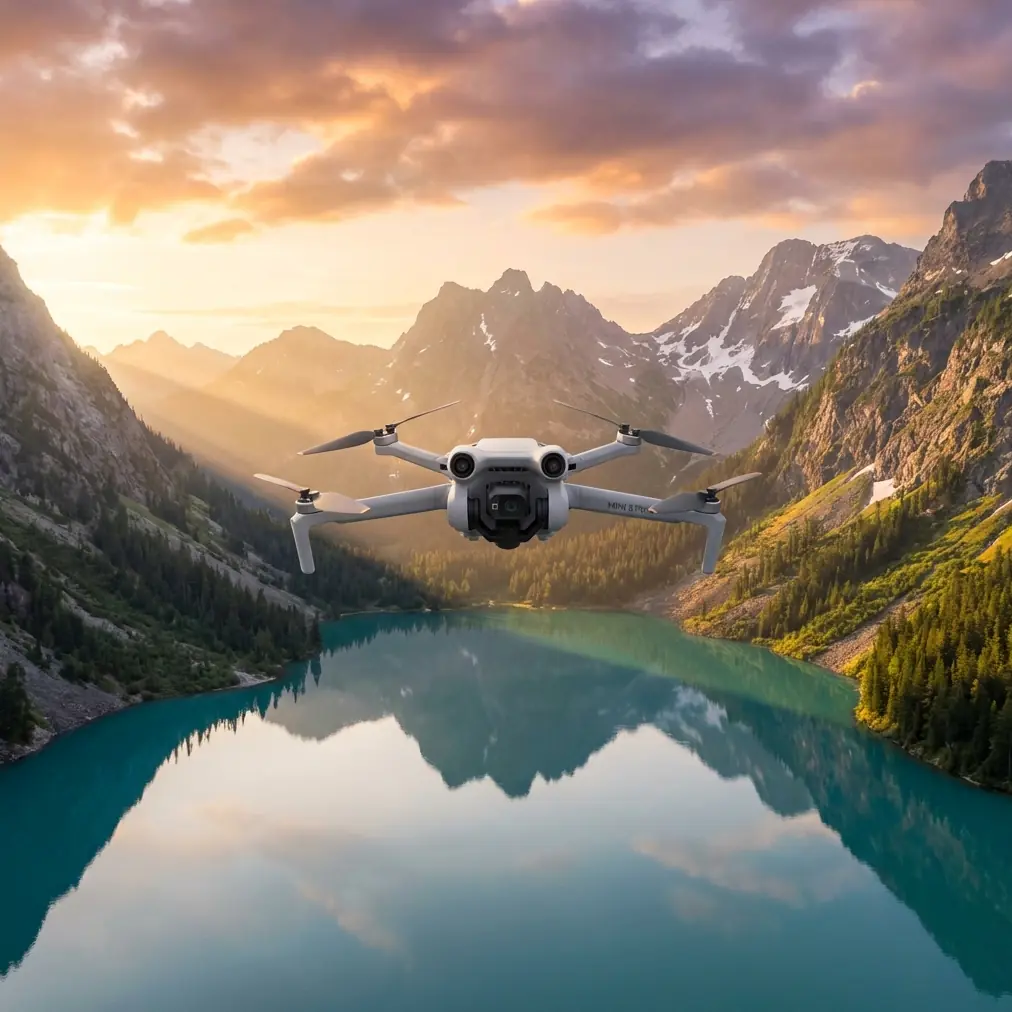
Air 3S: Mastering Coastal Wildlife Inspections
META: Learn how the Air 3S transforms coastal wildlife inspections with advanced tracking and obstacle avoidance. Expert tutorial by Chris Park.
TL;DR
- Pre-flight sensor cleaning is critical for reliable obstacle avoidance in salt-heavy coastal environments
- ActiveTrack 5.0 enables hands-free wildlife following without disturbing natural behaviors
- D-Log color profile captures the full dynamic range of bright beaches and shadowed cliffs
- 45-minute flight time allows complete coastal transects without battery swaps
Coastal wildlife inspections fail when drones can't handle salt spray, erratic animal movement, and harsh lighting contrasts. The Air 3S solves these challenges with a sensor suite designed for exactly these conditions—but only if you prepare it correctly before each flight.
This tutorial walks you through the complete workflow I've developed over 200+ hours of coastal wildlife documentation, from pre-flight preparation to post-processing optimization.
Why Coastal Environments Demand Special Preparation
Salt air creates invisible problems. Microscopic salt crystals accumulate on obstacle avoidance sensors within minutes of coastal exposure. These crystals scatter infrared light, causing false proximity readings that trigger unnecessary evasive maneuvers—or worse, sensor blindness that leads to collisions.
The Air 3S features omnidirectional obstacle sensing across six directions, but this sophisticated system becomes a liability when sensors are compromised.
The Pre-Flight Cleaning Protocol That Saves Missions
Before every coastal flight, I complete this 5-minute sensor preparation:
- Wipe all six sensor arrays with a microfiber cloth dampened with distilled water
- Inspect the forward-facing stereo cameras for salt residue or water spots
- Clean the downward vision sensors that handle low-altitude positioning
- Check the infrared ToF sensors on the aircraft's sides and rear
- Verify the upward sensors are clear of debris from transport
Pro Tip: Carry a small spray bottle of distilled water specifically for sensor cleaning. Tap water leaves mineral deposits that create the same problems as salt crystals.
This preparation step directly impacts the reliability of obstacle avoidance throughout your flight. Skip it, and you'll spend more time fighting false alerts than capturing footage.
Configuring Subject Tracking for Wildlife
Wildlife doesn't cooperate with flight plans. Seabirds bank suddenly. Seals dive without warning. Coastal mammals move through terrain that challenges even experienced pilots.
The Air 3S addresses this with ActiveTrack 5.0, which uses machine learning to predict animal movement patterns and maintain framing even during erratic behavior.
ActiveTrack Settings for Different Species
| Wildlife Type | Tracking Mode | Sensitivity | Recommended Distance |
|---|---|---|---|
| Seabirds in flight | Trace | High | 15-20 meters |
| Marine mammals | Parallel | Medium | 25-30 meters |
| Shorebirds | Spotlight | Low | 10-15 meters |
| Cliff-nesting colonies | Tripod + manual | N/A | 30+ meters |
For seabirds, Trace mode follows directly behind the subject, capturing the bird's perspective of the coastline. This creates compelling footage but requires high sensitivity settings to match rapid directional changes.
Marine mammals benefit from Parallel tracking, which maintains a consistent lateral distance. This mode excels when documenting pod behavior or individual movement patterns along shorelines.
Avoiding Wildlife Disturbance
Responsible coastal inspection requires understanding species-specific stress responses. The Air 3S's quiet propulsion system produces approximately 64 dB at 1 meter—quieter than typical conversation—but approach angles matter more than decibel levels.
- Approach from downwind when possible to reduce acoustic detection
- Maintain horizontal approaches rather than descending from above
- Use 3x digital zoom to maintain distance while capturing detail
- Monitor for stress indicators: raised heads, interrupted feeding, flight preparation
Expert Insight: I've found that most coastal wildlife habituates to the Air 3S within 3-4 minutes if you maintain consistent distance and movement patterns. Erratic flying triggers prolonged stress responses.
Mastering Coastal Lighting with D-Log
Coastal environments present the most challenging lighting scenarios in aerial photography. Bright sand reflects intense sunlight while cliff shadows create deep blacks. Standard color profiles clip highlights or crush shadows—often both simultaneously.
D-Log is the Air 3S's flat color profile that preserves maximum dynamic range for post-processing flexibility. The 1-inch CMOS sensor captures 14 stops of dynamic range in D-Log, enough to retain detail in both sunlit waves and shadowed rock formations.
D-Log Configuration for Coastal Work
Set these parameters before launching:
- Color Mode: D-Log M
- ISO: 100-400 for daylight, 400-800 for overcast
- Shutter Speed: Double your frame rate (1/60 for 30fps, 1/120 for 60fps)
- White Balance: 5600K for sunny conditions, 6500K for overcast
- Exposure Compensation: -0.3 to -0.7 EV to protect highlights
The slight underexposure protects bright sand and water reflections while shadows remain recoverable in post-processing.
QuickShots and Hyperlapse for Documentation
While manual flying captures specific behaviors, automated flight modes create consistent, repeatable documentation footage.
QuickShots for Wildlife Context
Dronie and Circle modes work exceptionally well for establishing shots that place wildlife in their coastal habitat context.
- Dronie: Reveals the broader coastline while keeping the subject centered
- Circle: Documents colony distribution across cliff faces
- Helix: Combines reveal and orbit for dramatic establishing sequences
- Rocket: Vertical ascent showing habitat from ground level to aerial perspective
Each QuickShot maintains subject tracking throughout the maneuver, ensuring wildlife remains in frame even as the aircraft executes complex flight paths.
Hyperlapse for Behavioral Documentation
Hyperlapse mode compresses hours of wildlife behavior into seconds of footage. For coastal inspections, this reveals patterns invisible in real-time observation:
- Tidal feeding rhythms
- Colony activity cycles
- Predator response patterns
- Habitat usage distribution
The Air 3S captures 8K Hyperlapse footage, providing enough resolution for significant cropping while maintaining broadcast-quality output.
Technical Specifications That Matter for Coastal Work
| Specification | Air 3S Value | Coastal Relevance |
|---|---|---|
| Max Flight Time | 45 minutes | Complete transect coverage |
| Max Wind Resistance | 12 m/s (Level 6) | Coastal gust handling |
| Obstacle Sensing | Omnidirectional | Cliff and vegetation avoidance |
| Video Resolution | 4K/60fps, 4K/120fps | Slow-motion wildlife capture |
| Sensor Size | 1-inch CMOS | Low-light and dynamic range |
| Transmission Range | 20 km | Extended coastal coverage |
| Operating Temperature | -10°C to 40°C | Year-round coastal operation |
The Level 6 wind resistance deserves special attention. Coastal winds frequently exceed inland conditions, and the Air 3S maintains stable footage in gusts that ground lesser aircraft.
Common Mistakes to Avoid
Neglecting sensor maintenance between flights. Salt accumulation is cumulative. Even if sensors appear clean, microscopic deposits degrade performance over multiple flights. Clean before every launch, not just when problems appear.
Using standard color profiles in high-contrast conditions. Normal and Vivid profiles look punchy on the controller screen but clip irrecoverably in post. D-Log requires color grading but preserves the full tonal range.
Flying too close to wildlife for "better footage". The Air 3S's sensor resolution allows significant cropping. Footage from 30 meters cropped to simulate 15 meters looks identical while causing zero disturbance.
Ignoring battery temperature in cold coastal conditions. Cold batteries deliver reduced capacity. Pre-warm batteries to 20°C minimum before flight, and monitor voltage more frequently than in temperate conditions.
Relying entirely on ActiveTrack. Subject tracking excels for predictable movement but struggles with sudden direction changes. Keep thumbs on sticks ready to assist when wildlife behavior becomes erratic.
Frequently Asked Questions
How does salt air affect the Air 3S's obstacle avoidance reliability?
Salt crystals scatter the infrared light used by ToF sensors, causing false readings or sensor blindness. Regular cleaning with distilled water before each flight maintains 95%+ sensor reliability even in heavy salt conditions. Without cleaning, reliability can drop below 70% after just three coastal flights.
What's the best ActiveTrack mode for following birds in flight?
Trace mode with high sensitivity works best for birds. This mode positions the drone directly behind the subject and responds quickly to directional changes. For slower-moving birds like pelicans, medium sensitivity prevents overcorrection. Fast-moving terns and gulls require maximum sensitivity settings.
Can the Air 3S handle the wind conditions typical of coastal environments?
The Air 3S maintains stable flight in sustained winds up to 12 m/s (27 mph) with gusts to 14 m/s. This covers most coastal conditions except storm fronts. The gimbal's 3-axis stabilization compensates for aircraft movement, delivering smooth footage even when the drone is working hard against wind.
Coastal wildlife inspection demands equipment that handles environmental challenges while capturing professional-quality documentation. The Air 3S delivers this capability when properly prepared and configured for the unique demands of salt air, harsh lighting, and unpredictable subjects.
Ready for your own Air 3S? Contact our team for expert consultation.