
Air 3S Guide: Filming Venues at High Altitude
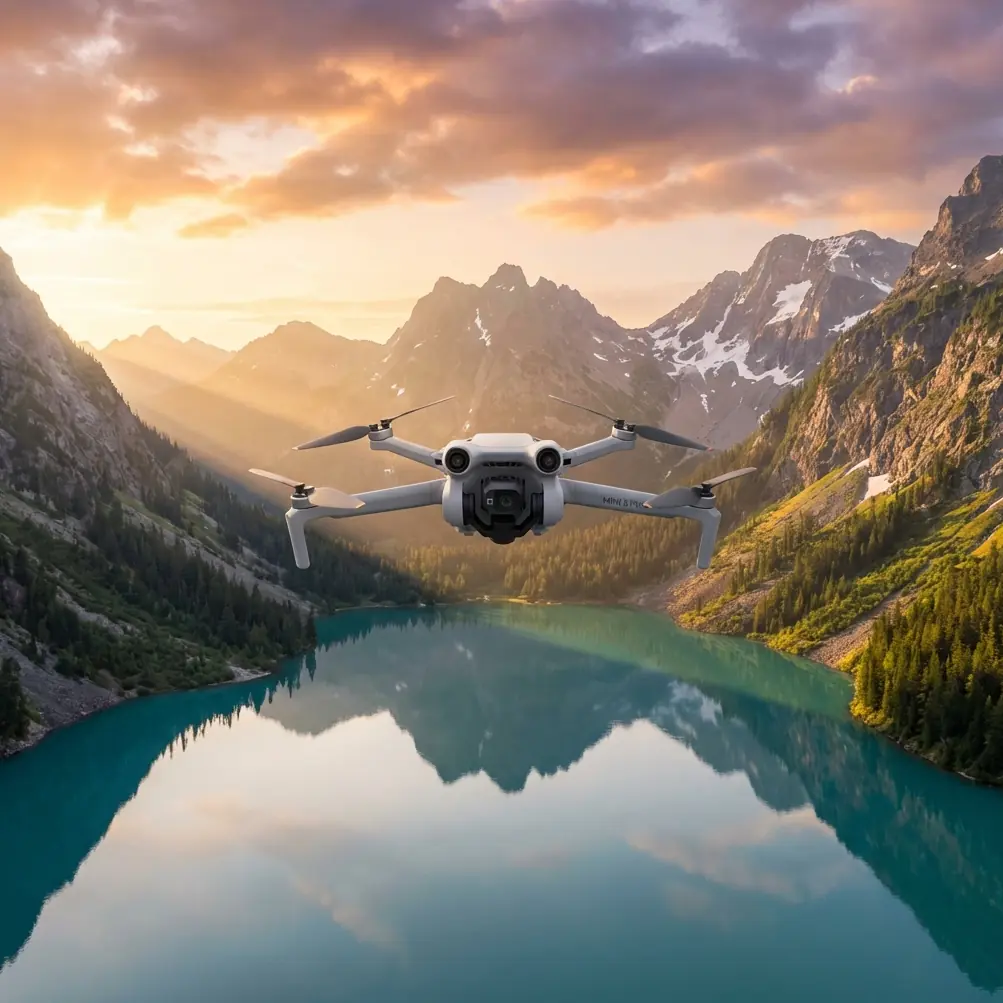
Air 3S Guide: Filming Venues at High Altitude
META: Master high-altitude venue filming with the DJI Air 3S. Learn optimal flight settings, camera modes, and pro techniques for stunning aerial footage.
TL;DR
- Optimal filming altitude for venues sits between 50-120 meters AGL, balancing context and detail capture
- The Air 3S dual-camera system lets you switch between wide establishing shots and telephoto detail work without landing
- D-Log M color profile preserves 2+ stops of dynamic range critical for harsh high-altitude lighting conditions
- ActiveTrack 360° maintains smooth orbits around large structures even in challenging mountain environments
High-altitude venue filming presents unique challenges that ground-based videographers never face. The DJI Air 3S addresses these obstacles with a sensor system and flight capabilities specifically suited for capturing stadiums, amphitheaters, resorts, and event spaces in elevated terrain.
This guide breaks down the exact settings, flight patterns, and techniques that separate amateur venue footage from broadcast-quality content. You'll learn altitude selection strategies, camera configurations, and safety protocols developed through extensive field testing.
Understanding High-Altitude Flight Dynamics
Flying at elevation affects drone performance in measurable ways. Air density decreases approximately 3% per 300 meters of altitude gain. This reduction impacts propeller efficiency, battery consumption, and maximum flight speed.
The Air 3S compensates through its intelligent flight controller, which automatically adjusts motor output based on barometric readings. However, understanding these physics helps you plan more effective shoots.
Battery Performance at Elevation
Expect 15-20% reduced flight time when operating above 2,000 meters elevation. The Air 3S maximum service ceiling reaches 6,000 meters, but practical filming altitude depends on your takeoff point.
Plan your shots before launching. Battery drain accelerates during aggressive maneuvers, so smooth, deliberate movements extend your capture window.
Expert Insight: At elevations above 3,000 meters, I pre-warm batteries to 25°C minimum before flight. Cold mountain air combined with thin atmosphere creates a double penalty on lithium cells. The Air 3S battery heating system helps, but starting warm adds 3-4 minutes of usable flight time.
Wind Considerations for Venue Work
Mountain venues experience unpredictable wind patterns. Thermal updrafts, canyon channeling, and structure-induced turbulence all affect flight stability.
The Air 3S handles sustained winds up to 12 m/s and gusts to 21 m/s. Its obstacle avoidance sensors provide additional safety margin when wind pushes the aircraft toward structures.
Key wind management strategies:
- Launch from the downwind side of venues when possible
- Use Sport mode briefly to punch through gusts, then return to Normal for filming
- Monitor the DJI Fly app wind indicator continuously
- Plan approach angles that keep wind at your back during critical shots
Optimal Flight Altitude for Venue Filming
Altitude selection determines the story your footage tells. Too low captures detail without context. Too high loses the human scale that makes venues compelling.
The 50-120 Meter Sweet Spot
For most venue work, 50-120 meters AGL delivers the ideal balance. This range captures:
- Full venue footprint in frame
- Surrounding landscape context
- Recognizable architectural details
- Human activity patterns (crowds, vehicles, staging)
Altitude Selection by Venue Type
| Venue Type | Recommended Altitude | Primary Lens | Key Consideration |
|---|---|---|---|
| Stadium/Arena | 80-120m | Wide 24mm | Capture full seating bowl |
| Amphitheater | 50-80m | Wide 24mm | Preserve hillside integration |
| Resort Complex | 100-150m | Both | Show property boundaries |
| Concert Venue | 40-70m | Tele 70mm | Stage detail emphasis |
| Golf Course | 120-200m | Wide 24mm | Hole layout visibility |
Pro Tip: Start high and descend during your first battery. This approach lets you identify obstacles, assess lighting conditions, and plan detailed shots for subsequent flights. The Air 3S return-to-home function works more reliably when you've established clear vertical airspace.
Camera Configuration for High-Altitude Conditions
The Air 3S dual-camera system provides flexibility that single-lens drones cannot match. Strategic use of both sensors maximizes your footage variety without multiple flights.
Wide Angle (24mm f/1.7) Settings
The 1-inch CMOS sensor behind the wide lens excels at establishing shots and dynamic movements. Configure it for venue work:
- Resolution: 4K/60fps for flexibility in post
- Color Profile: D-Log M for maximum dynamic range
- ISO: 100-400 native range, avoid exceeding 800
- Shutter Speed: Double your frame rate (1/120 for 60fps)
- White Balance: Manual, matched to conditions
Telephoto (70mm f/2.8) Applications
The telephoto lens isolates details impossible to capture with wide angles at safe distances:
- Architectural ornaments and signage
- Crowd density and movement patterns
- Stage equipment and performer positions
- Parking and traffic flow analysis
Switch between lenses mid-flight using the dedicated button or screen tap. The Air 3S maintains gimbal stability during transitions.
Essential Flight Patterns for Venue Coverage
Systematic flight patterns ensure complete coverage while maximizing battery efficiency. These five patterns form the foundation of professional venue documentation.
1. Orbital Reveal
Circle the venue at constant altitude and distance. The Air 3S Point of Interest mode automates this pattern with adjustable radius and speed.
Settings for smooth orbits:
- Radius: 80-150 meters from venue center
- Speed: 3-5 m/s for cinematic pacing
- Altitude: 60-100 meters AGL
- Camera: Wide lens, slight downward gimbal angle
2. Top-Down Survey
Position directly above the venue for mapping-style coverage. This perspective reveals layout, capacity, and spatial relationships invisible from ground level.
The Air 3S Hyperlapse mode in Free mode creates compelling time-compressed surveys showing venue activity over extended periods.
3. Approach and Reveal
Start distant with the venue small in frame, then fly toward it while descending slightly. This classic establishing shot builds anticipation.
Use ActiveTrack locked on the venue's most prominent feature to maintain framing during the approach. The Air 3S subject tracking handles static structures reliably.
4. Perimeter Sweep
Fly the venue boundary at low altitude (20-40 meters) to capture entrance areas, signage, and ground-level details. This footage complements high-altitude establishing shots.
Enable APAS 5.0 obstacle avoidance during perimeter work. The Air 3S omnidirectional sensors detect structures, trees, and cables that crowd venue boundaries.
5. Dramatic Ascent
Begin at ground level near a key feature, then climb vertically while the camera tilts down to maintain subject framing. This reveals the venue's scale progressively.
QuickShots Rocket mode automates this pattern, though manual control allows more precise timing and altitude selection.
Lighting Strategies for Mountain Venues
High-altitude locations present extreme lighting challenges. Thin atmosphere increases UV intensity and contrast ratios that overwhelm lesser cameras.
Golden Hour Prioritization
Schedule primary filming during the hour after sunrise or before sunset. The Air 3S sensor handles midday conditions, but golden hour light:
- Reduces harsh shadows on structures
- Adds warmth that flatters most venues
- Creates long shadows that emphasize terrain
- Lowers overall contrast ratio
D-Log M Workflow
The Air 3S D-Log M profile captures 12.8+ stops of dynamic range, essential for preserving highlight and shadow detail in high-contrast mountain light.
D-Log footage requires color grading in post-production. Apply DJI's official LUT as a starting point, then adjust:
- Lift shadows to reveal detail
- Roll off highlights to prevent clipping
- Add contrast selectively to midtones
- Adjust saturation to taste
Common Mistakes to Avoid
Flying Without Location Scouting
Arriving at a venue and launching immediately wastes battery on orientation. Spend 10-15 minutes walking the perimeter, identifying obstacles, and planning shot sequences before the first flight.
Ignoring Airspace Restrictions
Many venues sit within controlled airspace, temporary flight restrictions, or local no-fly zones. The Air 3S GEO system provides warnings, but verify authorization independently through official sources before traveling.
Over-Relying on Automated Modes
QuickShots and Hyperlapse produce consistent results, but they lack the intentionality of manual flying. Use automated modes for efficiency, then capture hero shots with full manual control.
Neglecting Audio Planning
Drone footage typically requires music or voiceover in final edits. Plan your shot durations and pacing around your intended audio bed. The Air 3S captures no usable audio—factor this into your production workflow.
Single Battery Mentality
Professional venue coverage requires 3-5 batteries minimum. Each battery provides one flight pattern or lighting condition. Attempting complete coverage on a single battery produces rushed, incomplete footage.
Frequently Asked Questions
What permissions do I need to film venues with the Air 3S?
Venue filming requires property owner authorization regardless of airspace status. Contact venue management before your shoot date. Many venues have established drone policies and preferred flight windows. Additionally, verify FAA airspace authorization through LAANC if operating in controlled airspace.
How does the Air 3S obstacle avoidance perform around large structures?
The APAS 5.0 system uses omnidirectional sensors to detect and avoid obstacles in all directions. Performance remains reliable around buildings, bleachers, and light towers. However, thin objects like cables, antennas, and netting may not register consistently. Maintain visual line of sight and manual override readiness near complex structures.
Can I fly the Air 3S in light rain at mountain venues?
The Air 3S lacks official weather sealing. Light mist or brief drizzle rarely causes immediate damage, but moisture accumulation risks motor and gimbal issues. Mountain weather changes rapidly—if conditions deteriorate, land immediately and dry the aircraft thoroughly before storage.
Venue filming at high altitude rewards preparation and patience. The Air 3S provides the imaging quality and flight performance to capture professional results, but the operator's planning determines final output quality.
Master these techniques through deliberate practice at accessible locations before tackling remote mountain venues. Each flight builds the muscle memory and decision-making speed that separates competent operators from exceptional ones.
Ready for your own Air 3S? Contact our team for expert consultation.