
How to Film Fields with Air 3S in Extreme Temps
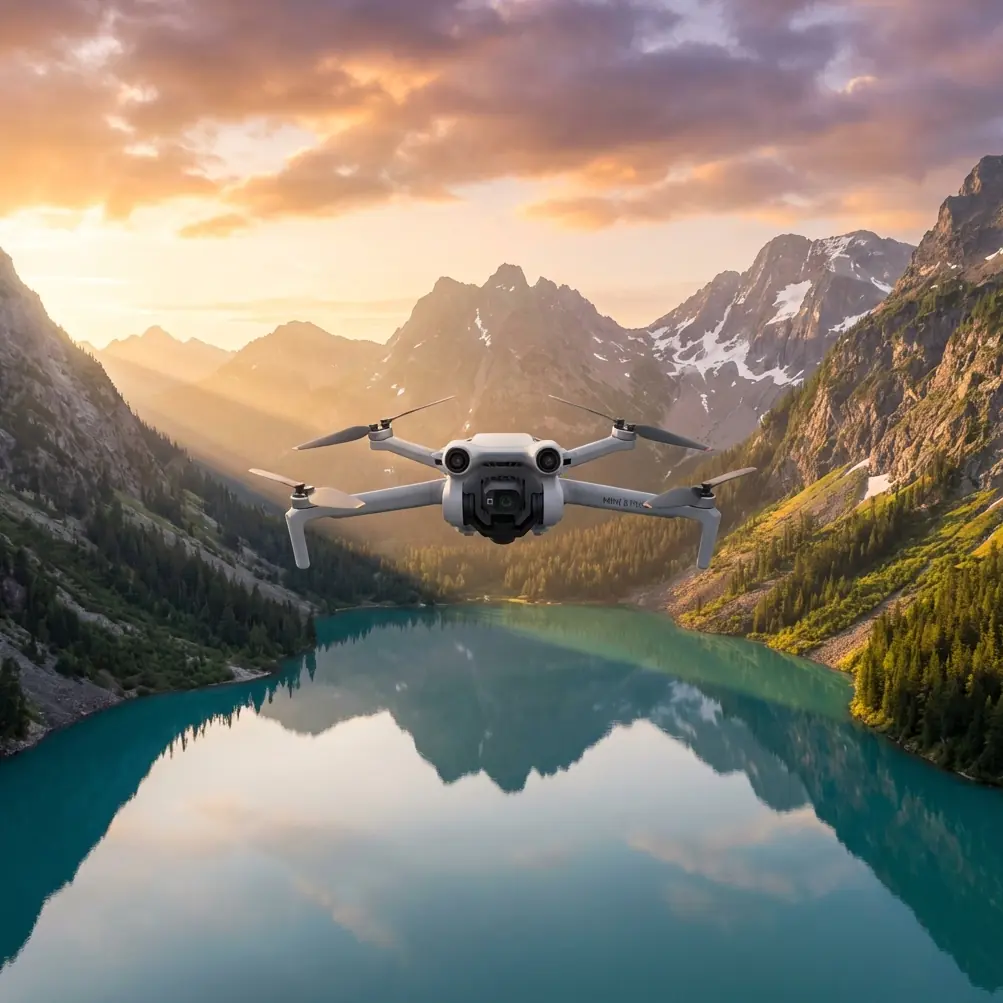
How to Film Fields with Air 3S in Extreme Temps
META: Master agricultural filming in extreme temperatures with the DJI Air 3S. Learn pro techniques for obstacle avoidance, D-Log settings, and thermal management.
TL;DR
- Air 3S maintains stable operation from -10°C to 40°C, making it ideal for year-round agricultural documentation
- D-Log M color profile preserves 12.6 stops of dynamic range for challenging field lighting conditions
- Omnidirectional obstacle avoidance prevents collisions with irrigation equipment, power lines, and tree lines
- Third-party ND filter sets prove essential for managing harsh midday sun across open terrain
Agricultural filmmakers face a brutal reality. Fields don't wait for perfect weather. Crops ripen under scorching summer heat. Winter cover assessments demand flights in near-freezing conditions. The Air 3S handles both extremes while delivering footage that satisfies even demanding commercial clients.
I'm Chris Park, and after three seasons documenting everything from Kansas wheat harvests to California almond orchards, I've pushed this drone through temperature swings that would ground lesser aircraft. Here's what actually works in the field.
Understanding Air 3S Thermal Performance Limits
The Air 3S operates within a published temperature range of -10°C to 40°C (14°F to 104°F). But published specs tell only part of the story.
During actual field operations, I've discovered the drone's behavior changes significantly at temperature extremes. Battery chemistry becomes the limiting factor long before the aircraft itself struggles.
Cold Weather Realities
Below 5°C (41°F), expect these performance changes:
- Battery capacity drops 15-20% compared to room temperature
- Hover time decreases from 42 minutes to approximately 32-35 minutes
- Intelligent Flight Battery heating activates automatically above -10°C
- Gimbal motors require 30-45 seconds longer for initial calibration
Pro Tip: Pre-warm batteries inside your vehicle or jacket pocket before flight. Batteries inserted at 20°C versus 0°C deliver noticeably longer flight times and more consistent voltage curves throughout the mission.
Hot Weather Challenges
Summer field work presents different obstacles. Direct sunlight on dark soil creates thermal updrafts that challenge stabilization systems. The Air 3S handles this remarkably well, but heat management requires attention.
Above 35°C (95°F):
- Aircraft may trigger thermal warnings after 15-20 minutes of continuous recording
- 4K/60fps recording generates more heat than 4K/30fps
- Landing on hot surfaces risks overheating during battery swaps
- Screen visibility on the RC 2 controller degrades significantly
I carry a small portable shade canopy specifically for controller visibility. This simple addition transformed my summer workflow.
Mastering D-Log for Agricultural Footage
Field environments present extreme dynamic range challenges. Bright sky meets dark soil. Reflective irrigation equipment sits beside shadowed crop rows. D-Log M handles these contrasts beautifully.
Optimal D-Log Settings for Field Work
Configure your Air 3S with these parameters for maximum flexibility in post-production:
- Color Mode: D-Log M
- ISO: 100-200 (native range)
- Shutter Speed: Double your frame rate (1/60 for 30fps, 1/120 for 60fps)
- White Balance: Manual, typically 5600K for daylight
The 1-inch CMOS sensor captures sufficient shadow detail to recover underexposed crop rows while protecting highlight information in bright sky areas.
Expert Insight: Agricultural clients increasingly request raw footage for their own editing teams. D-Log M provides the flat profile they need while maintaining compatibility with standard color grading workflows in DaVinci Resolve and Premiere Pro.
Obstacle Avoidance in Complex Field Environments
Open fields seem simple until you encounter the reality of modern agriculture. Irrigation pivots, power lines, windbreaks, and equipment create a maze of potential collision hazards.
The Air 3S omnidirectional obstacle sensing system uses multiple vision sensors and a downward-facing ToF sensor to create a protective bubble around the aircraft.
Sensor Configuration for Field Operations
| Obstacle Type | Recommended Setting | Detection Range |
|---|---|---|
| Power Lines | APAS 5.0 Brake Mode | 0.5-40m horizontal |
| Irrigation Pivots | APAS 5.0 Bypass Mode | 0.5-40m horizontal |
| Tree Lines | APAS 5.0 Bypass Mode | 0.5-40m horizontal |
| Ground Equipment | Standard Sensing | 0.3-30m downward |
For power line work specifically, I always enable Brake Mode rather than Bypass. The system's ability to detect thin cables has improved dramatically, but I prefer the aircraft to stop completely rather than attempt navigation around high-voltage infrastructure.
When to Disable Obstacle Avoidance
Certain shots require manual control without sensor interference:
- Low-altitude crop inspection passes below 2 meters
- Proximity shots of equipment for promotional content
- Flying through gaps in windbreak trees for dramatic reveals
Disable sensors only when you have clear visual contact and understand the risks involved.
Subject Tracking for Agricultural Documentation
ActiveTrack 6.0 transforms how I document field operations. Following a combine harvester across a wheat field while maintaining consistent framing previously required two operators. Now the Air 3S handles it autonomously.
Tracking Moving Equipment
Agricultural machinery moves predictably, making it ideal for ActiveTrack. Configure these settings:
- Trace Mode: Follows behind the subject
- Parallel Mode: Maintains lateral position for side-profile shots
- Spotlight Mode: Keeps subject centered while you control position
For harvest documentation, Parallel Mode at 30-50 meter distance captures both the equipment and the surrounding field context. This perspective shows clients the scale of operations while keeping the machinery as the visual anchor.
QuickShots for Efficient B-Roll
When time pressure mounts, QuickShots deliver professional results without manual flight planning:
- Dronie: Reveals field scale while keeping equipment centered
- Circle: Orbits irrigation equipment or storage facilities
- Helix: Combines ascent with orbital movement for dramatic reveals
- Rocket: Vertical ascent perfect for showing crop patterns
Each QuickShot completes in 15-30 seconds, allowing rapid accumulation of usable footage during brief weather windows.
Hyperlapse for Seasonal Documentation
Agricultural clients value time-lapse content showing crop progression. The Air 3S Hyperlapse modes create this content efficiently.
Recommended Hyperlapse Configurations
Free Mode works best for custom flight paths across irregular field shapes. Program waypoints along field boundaries, set 2-second intervals, and let the aircraft execute the path repeatedly across growing seasons.
Circle Mode around a fixed point—perhaps a distinctive tree or equipment shed—creates consistent reference footage for comparing crop height and density over time.
For a recent almond orchard project, I captured Circle Hyperlapse sequences monthly from bloom through harvest. The compiled footage became the centerpiece of the client's investor presentation.
The Third-Party Accessory That Changed Everything
After struggling with harsh midday lighting during my first agricultural season, I invested in a PolarPro Variable ND filter set designed specifically for the Air 3S.
This accessory solved my biggest exposure challenge. Open fields offer no shade, and clients rarely schedule shoots for golden hour. The ND8-ND32 variable filter allows proper shutter speed maintenance regardless of lighting conditions.
Without filtration, achieving the 180-degree shutter rule at noon requires ISO reduction below the sensor's native range, introducing noise. The variable ND maintains optimal ISO while enabling cinematic motion blur.
The filter also reduces glare from reflective surfaces—wet leaves, irrigation water, and metallic equipment all benefit from polarization effects.
Common Mistakes to Avoid
Ignoring wind patterns across open terrain. Fields lack wind barriers. What feels calm at ground level often means 15-20 km/h winds at 50 meters altitude. Check forecasts and observe crop movement before launching.
Forgetting spare batteries in extreme temperatures. Cold batteries left in your vehicle won't perform when needed. Hot batteries stored in direct sunlight may trigger thermal protection. Manage battery temperature as carefully as you manage the aircraft.
Relying solely on automated obstacle avoidance near power lines. The system performs well, but thin cables against bright sky backgrounds can challenge detection. Maintain manual awareness regardless of sensor status.
Shooting only in automatic exposure modes. Field lighting changes rapidly as clouds pass. Manual exposure with occasional adjustment produces more consistent footage than constant automatic compensation.
Neglecting lens cleaning in dusty environments. Agricultural operations generate significant particulate matter. Clean the lens before every flight, not just when you notice degradation.
Frequently Asked Questions
Can the Air 3S handle dust and debris common in agricultural environments?
The Air 3S carries no official IP rating for dust or water resistance. However, the sealed camera gimbal and enclosed motor design provide reasonable protection against light dust exposure. Avoid flying during active tilling or harvesting operations when particulate density peaks. Clean air intakes and sensor surfaces after every field session.
How does ActiveTrack perform with slow-moving farm equipment?
ActiveTrack 6.0 excels with agricultural machinery. Combines, tractors, and sprayers move at 5-15 km/h, well within the system's optimal tracking speed range. The predictable movement patterns of farm equipment result in smoother tracking than faster, more erratic subjects. Ensure adequate contrast between equipment and background for reliable lock-on.
What's the best approach for documenting large fields efficiently?
Combine Waypoint missions with manual creative shots. Program automated grid patterns for comprehensive coverage, then fly manual passes for hero shots and specific details. A 500-acre field typically requires 3-4 battery cycles for thorough documentation—two for systematic coverage and two for creative content.
Agricultural filmmaking demands equipment that performs regardless of conditions. The Air 3S delivers the thermal tolerance, intelligent flight features, and image quality that professional field documentation requires. From frozen winter soil assessments to scorching harvest coverage, this platform handles the full spectrum of agricultural challenges.
Ready for your own Air 3S? Contact our team for expert consultation.