
Delivering Vineyard Footage with Air 3S | Pro Tips
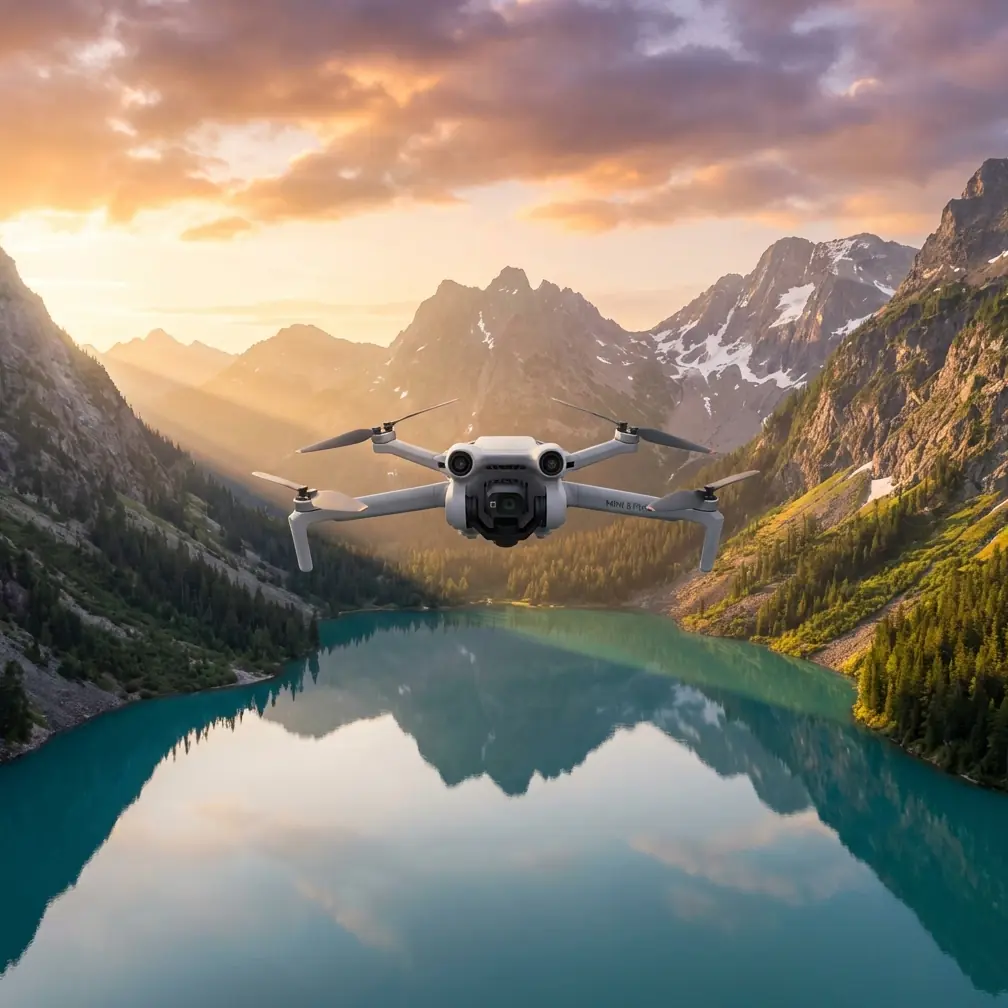
Delivering Vineyard Footage with Air 3S | Pro Tips
META: Master vineyard drone delivery in extreme temperatures with the DJI Air 3S. Expert battery tips, camera settings, and flight strategies for stunning results.
TL;DR
- Pre-condition batteries to 20-25°C before flying in extreme vineyard temperatures to maximize flight time and prevent mid-air shutdowns
- The Air 3S dual-camera system captures both wide establishing shots and detailed vine health data in a single flight
- ActiveTrack 6.0 follows harvest vehicles through tight vine rows without manual input
- D-Log color profile preserves highlight detail in harsh midday sun for professional color grading
Vineyard cinematography in extreme temperatures will destroy your footage—and possibly your drone—if you don't prepare properly. The DJI Air 3S handles temperature challenges better than most compact drones, but success depends on understanding its thermal limits and leveraging its dual-camera system effectively.
I've spent three harvest seasons filming vineyards across Napa Valley, Bordeaux, and the Barossa Valley. Temperatures ranged from -2°C frost mornings to 42°C summer afternoons. Here's everything I've learned about getting professional vineyard footage with the Air 3S when conditions turn hostile.
Understanding the Air 3S Thermal Operating Range
The Air 3S operates within a -10°C to 40°C temperature window. Push beyond these limits, and you'll encounter battery failures, sensor errors, and potential permanent damage.
Vineyards present unique thermal challenges:
- Morning frost drops ambient temperatures below freezing
- Midday sun heats dark soil between vine rows to 50°C+
- Thermal updrafts create unpredictable turbulence
- Humidity swings cause lens condensation
The drone's 1-inch CMOS sensor performs admirably in these conditions, but battery chemistry doesn't forgive temperature abuse.
Expert Insight: I learned this the hard way in Barossa Valley. Flying at 38°C ambient, my Air 3S battery showed 45% remaining—then dropped to critical at 12% within 90 seconds. The heated air rising from dark soil pushed the battery's internal temperature past safe limits. Now I check DJI Fly's battery temperature reading every 2 minutes when ambient exceeds 35°C.
Pre-Flight Battery Management Protocol
Battery preparation makes or breaks vineyard shoots. Here's my exact protocol:
Cold Weather Preparation (Below 10°C)
- Store batteries in an insulated cooler with hand warmers overnight
- Pre-warm batteries to 20-25°C before insertion
- Hover at 1.5 meters for 60 seconds before ascending
- Keep spare batteries inside your jacket, against your body
- Limit flights to 25 minutes maximum regardless of displayed capacity
Hot Weather Preparation (Above 30°C)
- Store batteries in a cooler with ice packs—never in direct sun
- Allow batteries to reach ambient temperature before flight
- Avoid charging immediately after flight; wait 20 minutes minimum
- Monitor battery temperature in-app; land if it exceeds 45°C
- Reduce flight time to 20 minutes in extreme heat
The Air 3S Intelligent Flight Battery uses high-density lithium polymer cells rated for 46 minutes maximum flight time. In extreme vineyard conditions, expect 30-35 minutes realistically.
Dual-Camera Strategy for Vineyard Coverage
The Air 3S carries two cameras that serve completely different vineyard documentation purposes:
| Feature | Wide Camera | Medium Tele Camera |
|---|---|---|
| Sensor | 1-inch CMOS | 1/1.3-inch CMOS |
| Focal Length | 24mm equivalent | 70mm equivalent |
| Aperture | f/1.7 | f/2.8 |
| Best Use | Establishing shots, row patterns | Vine detail, grape clusters |
| Low Light | Superior | Good |
| Compression | Minimal | Moderate background compression |
Wide Camera Applications
Use the 24mm wide camera for:
- Aerial establishing shots showing entire vineyard blocks
- Dramatic sunrise/sunset footage with sky detail
- Following harvest vehicles through rows
- Capturing irrigation system layouts
The f/1.7 aperture excels during golden hour when vineyard light turns magical. I shoot at ISO 100-400 to maintain clean shadows in the vine canopy.
Medium Tele Camera Applications
Switch to the 70mm medium tele for:
- Individual vine health assessment
- Grape cluster close-ups from safe distances
- Compressing row depth for dramatic perspective
- Isolating workers during harvest documentation
Pro Tip: The 70mm lens creates stunning "vineyard tunnel" shots. Position the drone at row height, engage ActiveTrack on a harvest vehicle, and let the compressed perspective draw viewers into the frame. This single technique elevated my vineyard portfolio more than any other.
ActiveTrack 6.0 Through Vine Rows
Vineyard rows create a nightmare for automated tracking systems. Vertical posts, wire trellises, and dense foliage confuse obstacle sensors constantly.
The Air 3S omnidirectional obstacle sensing uses:
- Forward/Backward: Dual vision sensors + ToF sensors
- Lateral: Vision sensors
- Upward/Downward: Vision sensors + infrared
ActiveTrack 6.0 handles vineyard complexity better than previous generations, but you'll still need manual intervention in tight spots.
Optimal ActiveTrack Settings for Vineyards
Configure these settings before entering vine rows:
- Tracking Mode: Trace (follows behind subject)
- Obstacle Avoidance: Bypass (allows lateral movement around posts)
- Tracking Speed: Slow (3-5 m/s maximum)
- Altitude Lock: Enabled (prevents diving into canopy)
I've tracked harvest tractors through 2.5-meter row spacing successfully. Below 2 meters, switch to manual flight—the risk of collision increases dramatically.
QuickShots and Hyperlapse for Vineyard Storytelling
Automated flight modes save hours of manual flying while delivering consistent results.
QuickShots Worth Using
Dronie: Classic pull-back reveal showing vineyard scale. Start tight on a worker, end with full block visibility. Works best at 30-50 meter final altitude.
Circle: Orbits a central point. Position over a distinctive vine or tasting room. 15-second duration at 20-meter radius creates smooth footage without motion sickness.
Helix: Ascending spiral combining Circle with altitude gain. Dramatic for sunrise shoots when you want to reveal morning mist layers.
Rocket: Straight vertical ascent. Less useful for vineyards—the overhead perspective flattens the landscape.
Hyperlapse Techniques
Vineyard Hyperlapse captures seasonal changes and daily light progression beautifully.
Waypoint Hyperlapse settings I use:
- Interval: 2 seconds
- Duration: 5-10 minutes of capture
- Speed: Slowest available
- Path: Linear along row edges
A 10-minute capture at 2-second intervals produces approximately 12 seconds of final footage at 24fps. Plan your flight path to end before battery warnings trigger.
D-Log Color Profile for Extreme Light
Vineyard light ranges from deep shadow under canopy to blown-out sky. D-Log preserves this dynamic range for post-production flexibility.
D-Log Camera Settings
| Setting | Value | Reason |
|---|---|---|
| Color Profile | D-Log M | Maximum dynamic range |
| ISO | 100-200 | Cleanest shadows |
| Shutter | 1/50 (24fps) or 1/60 (30fps) | Natural motion blur |
| White Balance | Manual 5600K | Consistent grading baseline |
| ND Filter | ND16-ND64 | Controls exposure in bright sun |
D-Log footage looks flat and desaturated straight from camera. This is intentional—you're capturing maximum data for color grading software to manipulate.
Expert Insight: I apply a base LUT (Look-Up Table) immediately after import to preview how footage will look graded. DJI provides free D-Log to Rec.709 LUTs. This prevents the common mistake of deleting "bad-looking" D-Log clips that actually contain perfect exposure data.
Common Mistakes to Avoid
Flying during midday heat shimmer: Thermal distortion from hot soil creates wavy, unusable footage. Shoot before 10 AM or after 4 PM in summer.
Ignoring wind patterns: Vineyards in valleys experience predictable afternoon winds. Check forecasts and plan morning flights during harvest season.
Forgetting ND filters: The Air 3S sensor handles bright light well, but proper shutter speed requires ND filtration. Carry ND8, ND16, ND32, and ND64 filters minimum.
Over-relying on obstacle avoidance: Thin trellis wires don't always register on sensors. Maintain 3+ meter clearance from wire systems.
Draining batteries completely: Landing with 20% remaining extends battery lifespan significantly. The last 20% also depletes faster in temperature extremes.
Shooting only overhead: Top-down vineyard shots bore viewers quickly. Vary altitude between 3-50 meters and include oblique angles showing row depth.
Frequently Asked Questions
Can the Air 3S fly in light rain during harvest season?
The Air 3S lacks an official IP rating for water resistance. Light mist won't immediately damage the drone, but moisture entering motor housings or sensor cavities causes corrosion over time. I've flown through unexpected drizzle without immediate issues, but I thoroughly dry the drone afterward and avoid intentional wet-weather flights. Harvest season often brings unpredictable weather—always have a landing plan ready.
How close can I safely fly to active harvest equipment?
Maintain minimum 10-meter horizontal distance from moving tractors and harvesters. Operators focus on their work and may not notice your drone. The Air 3S obstacle avoidance won't react fast enough if a tractor arm swings unexpectedly. For tracking shots, use the 70mm tele camera from distance rather than flying close with the wide lens.
What's the best time of year for vineyard aerial photography?
Véraison (color change, typically July-August in Northern Hemisphere) offers the most visually striking footage. Grapes transition from green to purple/gold, creating natural color contrast. Harvest season (September-October) captures human activity and golden light. Winter dormancy reveals geometric row patterns without leaf obstruction. Each season tells a different story—serious vineyard documentation requires multiple visits.
Vineyard drone work demands more preparation than typical aerial photography. Temperature management, dual-camera strategy, and understanding the Air 3S's tracking limitations separate professional results from amateur attempts. Master these fundamentals, and you'll capture footage that vineyard owners actually want to purchase.
Ready for your own Air 3S? Contact our team for expert consultation.