
Air 3S Vineyard Photography: Mountain Capture Guide
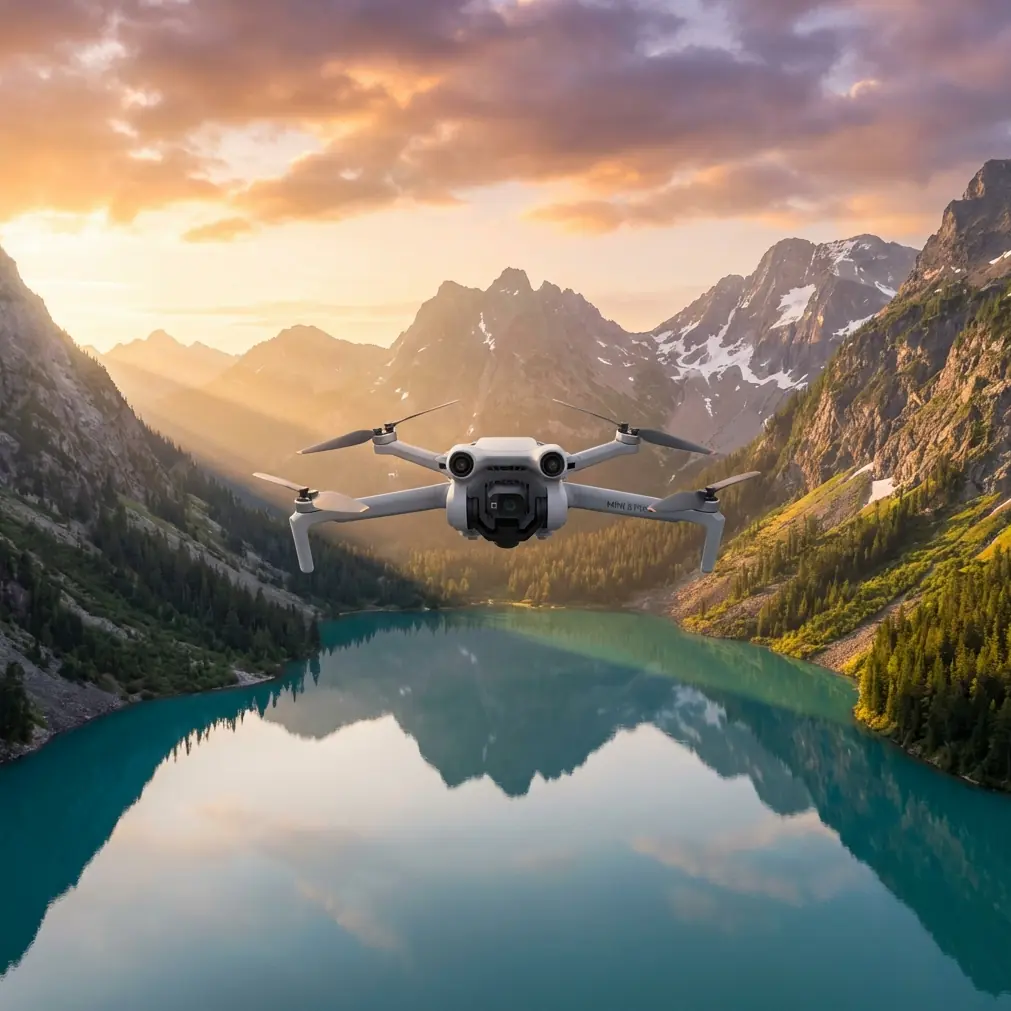
Air 3S Vineyard Photography: Mountain Capture Guide
META: Master Air 3S vineyard photography in mountain terrain. Expert tips for obstacle avoidance, tracking shots, and D-Log settings that capture stunning winery footage.
TL;DR
- Pre-flight sensor cleaning is critical for reliable obstacle avoidance in dusty vineyard environments
- ActiveTrack 360° follows harvest vehicles through tight vine rows without manual input
- D-Log M color profile preserves 14+ stops of dynamic range for dramatic mountain light
- Hyperlapse modes create cinematic vineyard tours in minutes, not hours of editing
Why Mountain Vineyards Demand Specialized Drone Techniques
Vineyard photography in mountainous terrain presents unique challenges that ground-based cameras simply cannot solve. Steep slopes, narrow row spacing, and rapidly shifting light conditions require aerial perspectives—but not just any drone will perform reliably at elevation.
The Air 3S addresses these specific pain points with a sensor suite and flight intelligence designed for complex agricultural environments. After three seasons documenting wineries across Napa, Sonoma, and the Willamette Valley, I've developed workflows that maximize this platform's capabilities.
This field report covers the exact techniques, settings, and pre-flight protocols that produce portfolio-worthy vineyard imagery.
The Pre-Flight Ritual That Saves Your Shoot
Before discussing creative techniques, we need to address the single most overlooked step in vineyard drone photography: sensor maintenance.
Cleaning Your Obstacle Avoidance System
Vineyard environments are brutal on optical sensors. Fine dust from dry soil, pollen during bloom season, and morning dew all accumulate on the Air 3S's omnidirectional obstacle sensing array.
Here's my pre-flight cleaning protocol:
- Visual inspection of all six sensing directions (forward, backward, lateral, upward, downward)
- Microfiber wipe with lens cleaning solution on each sensor window
- Compressed air to remove particles from sensor recesses
- Test hover at 2 meters to confirm obstacle detection activates properly
- Gimbal lens check using the same microfiber cloth
Expert Insight: I once lost an entire morning shoot because grape leaf residue on the downward sensors caused erratic altitude holds. The drone kept "seeing" obstacles that weren't there. Five minutes of cleaning would have prevented three hours of troubleshooting.
This cleaning step takes under three minutes but directly impacts whether your obstacle avoidance system functions correctly among dense vine canopy.
Environmental Assessment for Mountain Sites
Mountain vineyards introduce variables that valley locations don't present:
| Factor | Valley Vineyard | Mountain Vineyard | Air 3S Consideration |
|---|---|---|---|
| Wind Speed | 5-10 mph typical | 15-25 mph common | Enable Sport mode for stability |
| Air Density | Standard | 10-15% thinner at elevation | Reduced hover efficiency |
| Temperature Swing | Gradual | 20°F+ variation morning to afternoon | Battery performance affected |
| Obstacle Complexity | Uniform rows | Irregular terrain + structures | Omnidirectional sensing critical |
| GPS Signal | Strong | Potential canyon interference | Verify 16+ satellites before flight |
Understanding these differences shapes every decision from battery management to flight path planning.
Subject Tracking Through Vine Rows
The Air 3S's ActiveTrack system transforms how I capture harvest operations and vineyard tours.
Configuring ActiveTrack for Agricultural Subjects
Standard ActiveTrack settings assume you're following people or vehicles in open environments. Vineyards require adjustments:
- Set tracking sensitivity to High to maintain lock through partial occlusions
- Enable Parallel tracking mode for following vehicles down rows
- Configure Spotlight mode when you need manual flight control while maintaining subject framing
- Reduce maximum tracking speed to 15 mph for smoother footage
Practical Tracking Scenarios
Harvest Vehicle Follows: Position the Air 3S at row-end, 8-10 meters altitude, and initiate tracking as the tractor enters the row. The drone maintains framing while you focus on composition adjustments.
Winemaker Walking Tours: Use ActiveTrack Trace mode at 3-4 meters distance for intimate documentary-style footage. The obstacle avoidance system handles vine canopy proximity while you monitor overall scene composition.
Cyclist/ATV Vineyard Tours: Parallel mode at 5 meters lateral offset creates dynamic movement without the drone crossing directly over subjects.
Pro Tip: When tracking subjects moving perpendicular to vine rows, the Air 3S occasionally loses lock as the subject passes behind posts or thick canopy. Pre-plan your tracking segments to follow row directions rather than crossing them.
QuickShots That Actually Work in Vineyards
Not all QuickShots modes translate well to vineyard environments. Here's what I've learned through extensive testing:
High-Success Modes
Dronie: Excellent for establishing shots. Start at eye level with the winery building or tasting room, let the drone pull back and up to reveal vineyard context. Works reliably because the flight path moves away from obstacles.
Circle: Ideal for showcasing individual vine blocks or hilltop locations. Set radius to 15-20 meters minimum to avoid canopy interference. The Air 3S's obstacle avoidance provides backup protection.
Helix: Creates dramatic reveals of mountain vineyard topography. Start tight on a subject, spiral outward and upward to expose the full landscape. 25+ meter final radius recommended.
Modes Requiring Caution
Rocket: Straight vertical ascent works, but the rapid movement can trigger obstacle avoidance if canopy is close. Clear 10 meters horizontal from nearest vines.
Boomerang: The curved flight path often brings the drone uncomfortably close to vine rows. Reserve for open areas like crush pads or parking areas.
Hyperlapse Techniques for Vineyard Storytelling
Hyperlapse footage condenses time in ways that reveal vineyard character—fog burning off hillsides, shadow patterns shifting across rows, harvest crews moving through blocks.
Optimal Hyperlapse Settings
The Air 3S offers four Hyperlapse modes. For vineyard work:
- Free mode: Maximum creative control for complex mountain terrain
- Circle mode: Automated rotation around points of interest
- Course Lock mode: Maintains heading while you fly custom paths
- Waypoint mode: Pre-programmed routes for repeatable results
Interval recommendations by scenario:
| Subject | Interval | Duration | Final Clip Length |
|---|---|---|---|
| Fog movement | 2 seconds | 15 minutes | ~18 seconds |
| Shadow progression | 5 seconds | 30 minutes | ~15 seconds |
| Harvest activity | 3 seconds | 20 minutes | ~26 seconds |
| Cloud movement | 4 seconds | 25 minutes | ~25 seconds |
Waypoint Hyperlapse for Signature Shots
Program a Waypoint Hyperlapse route that you can repeat across seasons. Same flight path in spring bloom, summer growth, fall harvest, and winter dormancy creates compelling year-in-review content.
Store waypoint data for each vineyard client. This consistency becomes a valuable service differentiator.
D-Log Color Science for Mountain Light
Mountain vineyards experience dramatic lighting conditions that challenge any camera system. The Air 3S's D-Log M profile preserves maximum information for post-processing flexibility.
When to Use D-Log M
- Golden hour shoots with extreme contrast between shadowed valleys and sunlit ridges
- Midday documentation when harsh light creates deep shadows in vine rows
- Overcast conditions where subtle color gradations define the scene
- Backlit scenarios shooting toward morning or evening sun
D-Log M Settings Checklist
- ISO: 100-400 range for cleanest files
- Shutter: Double your frame rate (1/60 for 30fps, 1/120 for 60fps)
- ND filter: ND16 or ND32 for daylight conditions
- White balance: Manual at 5600K for consistency
- Color profile: D-Log M
The 14+ stops of dynamic range captured in D-Log M means you can recover shadow detail in vine rows while maintaining highlight information in bright sky areas.
Common Mistakes to Avoid
Ignoring wind patterns: Mountain terrain creates unpredictable gusts. Check forecasts, but also observe actual conditions with a test hover at 30 meters before committing to complex shots.
Underestimating battery drain: Thin air at elevation reduces efficiency. Plan for 20% less flight time than sea-level expectations. Bring minimum four batteries for serious shoots.
Neglecting sensor cleaning: Covered above, but worth repeating. Dusty sensors cause obstacle avoidance malfunctions and degraded image quality.
Over-relying on automatic modes: QuickShots and ActiveTrack are tools, not replacements for intentional composition. Manual flight often produces superior results.
Shooting only wide: The Air 3S's 70mm equivalent telephoto lens captures intimate vineyard details that wide shots miss. Vary your focal lengths throughout the shoot.
Forgetting audio environment: Drone footage often needs ambient audio added in post. Record wild sound with a separate recorder for authentic vineyard atmosphere.
Frequently Asked Questions
What altitude works best for vineyard overview shots?
40-60 meters provides optimal balance between context and detail for most vineyard blocks. Higher altitudes lose the texture of individual vines; lower altitudes fragment the visual pattern. For mountain vineyards specifically, consider the slope angle—steeper terrain may require 70-80 meters to capture equivalent coverage.
How does the Air 3S handle morning dew conditions?
The Air 3S is not waterproof, but handles light moisture from morning dew without issues. Avoid flying through visible fog or mist. If condensation forms on the lens, land immediately and wipe clean. The obstacle avoidance sensors can be affected by water droplets, so verify functionality after any moisture exposure.
Can ActiveTrack follow subjects through vine rows reliably?
Yes, with limitations. ActiveTrack maintains lock through brief occlusions of 1-2 seconds as subjects pass behind posts or thick canopy. Longer occlusions may cause tracking loss. For maximum reliability, track subjects moving parallel to rows rather than perpendicular, and maintain 8+ meters altitude to reduce occlusion frequency.
Mountain vineyard photography rewards preparation and technique. The Air 3S provides the tools—obstacle avoidance for complex terrain, tracking for dynamic subjects, and color science for challenging light. Your job is applying them thoughtfully.
Ready for your own Air 3S? Contact our team for expert consultation.