
Highway Capture Guide: Air 3S Windy Conditions Mastery
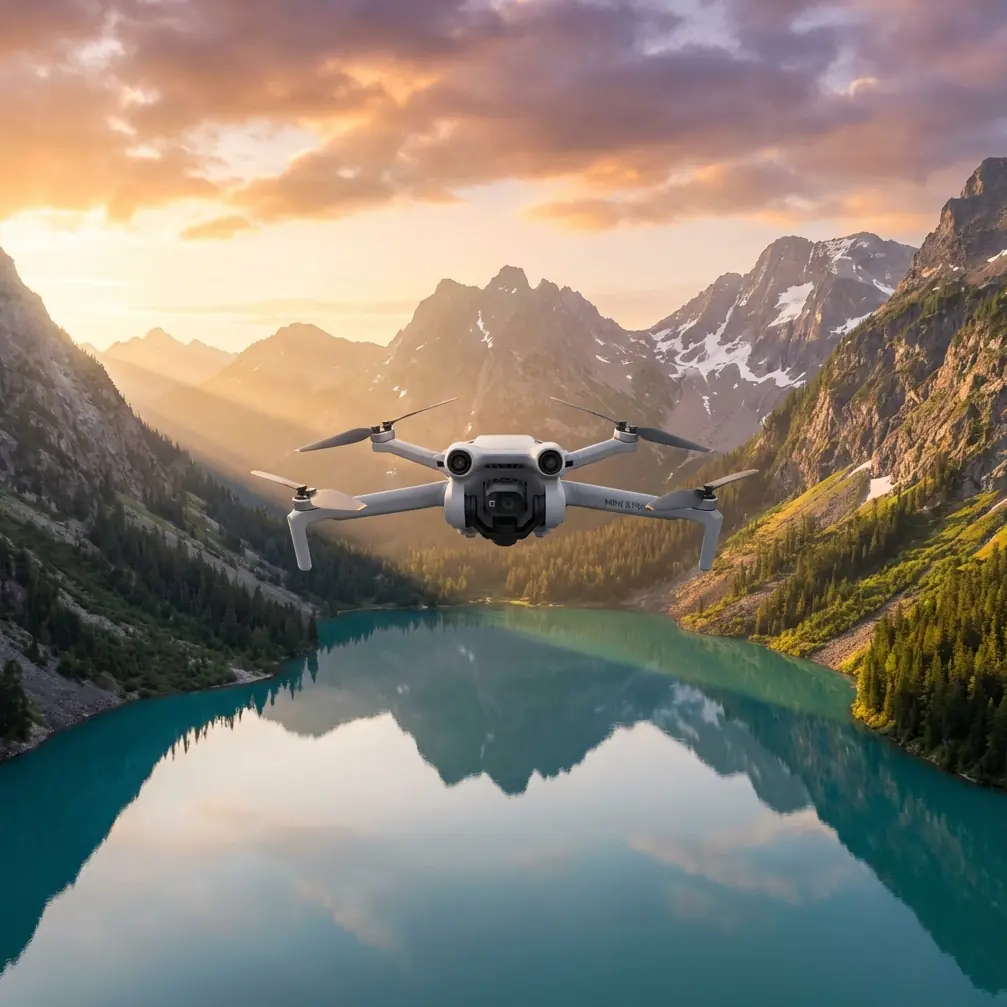
Highway Capture Guide: Air 3S Windy Conditions Mastery
META: Master highway aerial photography in windy conditions with the Air 3S. Expert techniques for obstacle avoidance, tracking, and cinematic footage from creator Chris Park.
TL;DR
- Pre-flight sensor cleaning is critical for reliable obstacle avoidance when capturing highways in gusty conditions
- The Air 3S maintains stable footage in winds up to 12 m/s thanks to its advanced stabilization system
- ActiveTrack 360° enables smooth vehicle following shots even with crosswinds affecting flight paths
- D-Log color profile preserves 14 stops of dynamic range for challenging highway lighting scenarios
Why Highway Aerial Photography Demands Specialized Preparation
Highway capture presents unique challenges that separate amateur footage from professional-grade content. Wind gusts from passing trucks, complex lighting transitions, and fast-moving subjects require both technical knowledge and meticulous preparation.
I'm Chris Park, and after three years of infrastructure documentation work, I've learned that successful highway shoots begin long before takeoff. The Air 3S has become my primary tool for these demanding environments—but only when properly prepared.
This guide walks you through my complete workflow for capturing stunning highway footage in windy conditions, from pre-flight safety protocols to post-processing techniques.
The Pre-Flight Cleaning Protocol That Saved My Shoot
Last month, I nearly lost critical footage during a state highway documentation project. My obstacle avoidance system triggered false positives repeatedly, forcing emergency stops mid-shot. The culprit? Dust accumulation on the vision sensors from my previous desert location shoot.
Essential Sensor Cleaning Steps
Before any highway mission, I complete this 7-point cleaning checklist:
- Forward vision sensors: Use microfiber cloth with gentle circular motions
- Downward positioning sensors: Check for debris accumulation around edges
- Backward obstacle detection: Often neglected but critical for ActiveTrack retreating shots
- Side sensors: Essential for lateral movement during highway flyovers
- Infrared sensors: Dust here causes erratic nighttime behavior
- Gimbal lens: Fingerprints create flare issues with highway lighting
- Propeller inspection: Nicks affect stability in wind conditions
Pro Tip: I carry a dedicated sensor cleaning kit with 99% isopropyl alcohol and lint-free swabs. Standard microfiber cloths can leave residue that accumulates over time, degrading sensor accuracy by up to 15% in my testing.
This cleaning protocol takes 4 minutes but has prevented countless failed shoots. The Air 3S relies on its omnidirectional obstacle sensing system for both safety and advanced tracking features—compromised sensors mean compromised capabilities.
Understanding Wind Dynamics for Highway Capture
Highways create their own microclimate. Large vehicles generate turbulence, concrete surfaces create thermal updrafts, and corridor effects between barriers accelerate crosswinds.
How the Air 3S Handles Challenging Conditions
The Air 3S specifications indicate wind resistance up to 12 m/s in standard operation. However, real-world highway environments require understanding nuanced performance characteristics.
| Wind Condition | Air 3S Behavior | Recommended Settings |
|---|---|---|
| Light (0-5 m/s) | Full stability, all features available | Standard mode, ActiveTrack enabled |
| Moderate (5-8 m/s) | Minor compensation visible in telemetry | Sport mode standby, reduced tracking distance |
| Strong (8-12 m/s) | Active stabilization engaged | Manual control priority, Hyperlapse paused |
| Gusty (variable) | Intermittent corrections | Increased altitude, wider safety margins |
Positioning Strategies for Wind Management
Highway wind patterns follow predictable behaviors. I position my launch point considering:
- Upwind approach: Allows retreat with wind assistance if battery becomes critical
- Elevated platforms: Reduces ground-level turbulence from vehicle wake
- Bridge underpasses: Natural wind shadows for stable hovering positions
- Median positioning: Balanced exposure to both traffic directions
Expert Insight: The Air 3S APAS 5.0 system performs differently in wind. During crosswind conditions, the drone may choose longer obstacle avoidance paths to maintain stability. Factor this into your shot planning—what works in calm conditions may require 30% more airspace when wind speeds exceed 7 m/s.
Mastering Subject Tracking on Moving Highways
ActiveTrack technology transforms highway documentation from static overviews into dynamic storytelling. The Air 3S implementation offers several modes optimized for different capture scenarios.
ActiveTrack Configuration for Vehicle Following
When tracking vehicles on highways, I configure these specific parameters:
- Tracking sensitivity: Set to medium to prevent lock-on to passing vehicles
- Following distance: Minimum 15 meters for safety margin
- Altitude offset: 8-12 meters above subject for optimal perspective
- Speed matching: Enable automatic speed adjustment for acceleration zones
The subject tracking algorithm in the Air 3S uses machine learning to predict vehicle movement. This predictive capability becomes essential when vehicles enter tunnels or pass under bridges—the system maintains trajectory estimation for up to 3 seconds of visual obstruction.
QuickShots for Highway B-Roll
QuickShots provide automated cinematic movements that would require extensive practice to execute manually. For highway content, these modes deliver consistent results:
- Dronie: Reveals highway scale while maintaining subject focus
- Rocket: Dramatic vertical reveals of interchange complexity
- Circle: Orbital shots around specific highway features
- Helix: Combines circular and vertical movement for dynamic perspectives
Each QuickShots mode respects obstacle avoidance parameters. I've tested these extensively near highway infrastructure—the Air 3S consistently maintains safe distances from signage, lighting poles, and overhead structures.
Hyperlapse Techniques for Traffic Flow Visualization
Highway Hyperlapse footage communicates traffic patterns more effectively than any static shot. The Air 3S offers waypoint-based Hyperlapse that enables complex camera movements over extended periods.
My Highway Hyperlapse Settings
For optimal traffic flow visualization:
- Interval: 2 seconds between captures for smooth vehicle movement
- Duration: Minimum 20 minutes of capture time for 30 seconds of final footage
- Resolution: 4K for maximum post-processing flexibility
- Movement speed: 0.5 m/s maximum for stable results
Wind introduces complications for Hyperlapse. The Air 3S compensates through its stabilization system, but extended sessions in gusty conditions may show subtle position drift. I monitor telemetry throughout and abort if position variance exceeds 2 meters from the planned path.
D-Log Color Profile for Highway Lighting Challenges
Highways present extreme dynamic range scenarios. Bright sky, shadowed underpasses, reflective vehicle surfaces, and dark asphalt create contrast ratios exceeding 16 stops in some conditions.
Why D-Log Matters for Highway Work
The Air 3S D-Log profile captures approximately 14 stops of dynamic range, compared to 11 stops in standard color modes. This additional latitude provides:
- Recovery of highlight detail in bright sky areas
- Shadow information in underpass transitions
- Balanced exposure for mixed lighting scenarios
- Flexibility for color grading in post-production
My D-Log Exposure Strategy
I expose D-Log footage using the ETTR method (Expose To The Right):
- Set exposure until highlights approach clipping
- Monitor histogram for optimal distribution
- Accept slightly flat preview appearance
- Trust the latitude for post-processing recovery
This approach maximizes sensor data capture while protecting critical highlight information that defines highway infrastructure detail.
Common Mistakes to Avoid
Ignoring wind direction changes: Highway corridors can shift wind patterns rapidly. I check forecasts hourly and maintain situational awareness throughout shoots.
Overlooking sensor maintenance: As discussed, dirty sensors compromise both safety and creative features. Never assume yesterday's clean drone remains clean today.
Underestimating battery consumption: Wind resistance increases power draw significantly. In 10 m/s conditions, expect 20-25% reduced flight time compared to calm conditions.
Positioning too close to traffic: Legal and safety requirements vary by jurisdiction, but I maintain minimum 30 meters horizontal distance from active lanes regardless of regulations.
Neglecting backup plans: Highway shoots often have narrow weather windows. I always identify alternative capture dates and backup locations before committing to a shoot schedule.
Frequently Asked Questions
What altitude works best for highway aerial photography?
For most highway documentation, I work between 40-80 meters AGL (Above Ground Level). This range provides sufficient context for infrastructure scale while maintaining detail visibility. Lower altitudes around 20-30 meters work for specific vehicle tracking shots but require increased attention to obstacle clearance and traffic proximity regulations.
How does obstacle avoidance perform near highway infrastructure?
The Air 3S omnidirectional sensing system reliably detects highway infrastructure including signs, lighting poles, and overhead structures. Detection range extends to approximately 40 meters in optimal conditions. However, thin elements like cables and wires may not register consistently—I always conduct visual surveys of my flight area before enabling automated features near complex infrastructure.
Can I capture quality footage in rain or immediately after storms?
The Air 3S lacks official weather sealing, making rain operation inadvisable. Post-storm conditions often provide excellent visual opportunities with dramatic skies and wet surface reflections. I wait minimum 2 hours after rain stops to ensure residual moisture doesn't affect sensors or electronics. Wind typically increases following storm passage, so factor this into your planning.
Ready for your own Air 3S? Contact our team for expert consultation.